Waste compactors fail slowly before they fail completely. Most breakdowns that shut down a machine for days are preceded by weeks of early warning signs – unusual sounds, inconsistent performance, minor leaks – that go unaddressed because the machine is still running.
Reactive maintenance is the most expensive way to service waste compactors. Emergency service calls cost more than scheduled maintenance visits. Parts ordered on an emergency basis cost more than parts ordered on a preventive maintenance schedule. And the operational cost of compactor downtime – whether it is back-of-house overflow in a retail store, open-top rental, or processing backup in a distribution center – often exceeds the cost of the service call itself.
Key Takeaways
|
Sign 1: Unusual Sounds During Operation
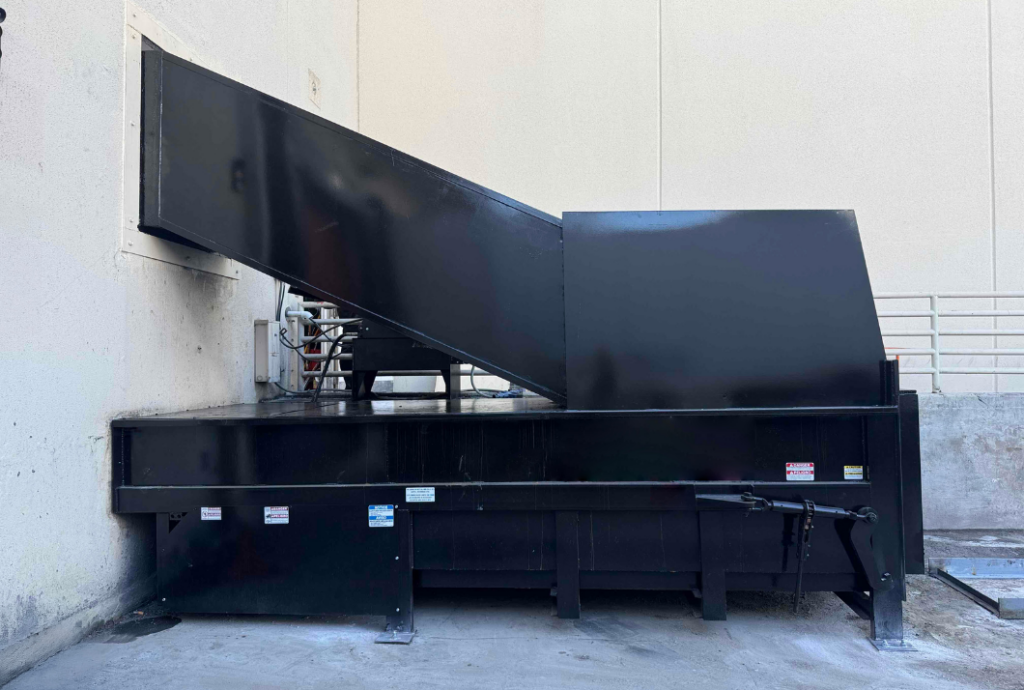
A compactor running normally makes predictable sounds: the hydraulic pump engaging, the ram extending and retracting, the container filling. When you hear something different, like grinding, clicking, knocking, or high-pitched whining, something has changed in the mechanical or hydraulic system.
- Grinding sounds often indicate metal-to-metal contact in the ram or guide system.
- Clicking during extension or retraction can signal a hydraulic valve issue.
- Whining under load suggests hydraulic pump wear.
These sounds do not mean the machine is about to stop working. They mean something that was functioning normally is no longer functioning normally. Left unaddressed, the underlying cause will worsen.
If the compactor sound has changed from what your operators consider normal, schedule a service inspection.
Sign 2: Slow Cycle Times
Every compactor has a cycle time: how long it takes the ram to extend, apply pressure, and retract. Operators who use the machine regularly develop an intuitive sense of how fast that cycle should be.
When cycle times extend, because the machine seems to be working harder or taking longer to complete a compression, that’s a signal worth paying attention to. Extended cycle times on waste compactors often indicate hydraulic system issues such as fluid contamination, pump wear, or cylinder seal degradation.
A machine taking twice as long to complete a cycle is consuming more energy and placing greater stress on hydraulic components. The longer it runs in this state, the more accelerated the wear.
Sign 3: Hydraulic Fluid Leaks
Any visible hydraulic fluid accumulation under or around waste compactors should be treated as an immediate service indicator. Hydraulic leaks do not resolve on their own. A small leak from a fitting or seal becomes a larger leak as the component wears.
Hydraulic fluid loss also affects machine performance. As fluid levels drop, the system loses pressure capacity, reducing compaction force and increasing cycle time. Running a compactor with low hydraulic fluid accelerates pump and cylinder wear.
Check the area under your compactor regularly. A few drops of hydraulic fluid on the pad is worth a service call. A visible pool warrants immediate attention.
Sign 4: Inconsistent Compaction Performance
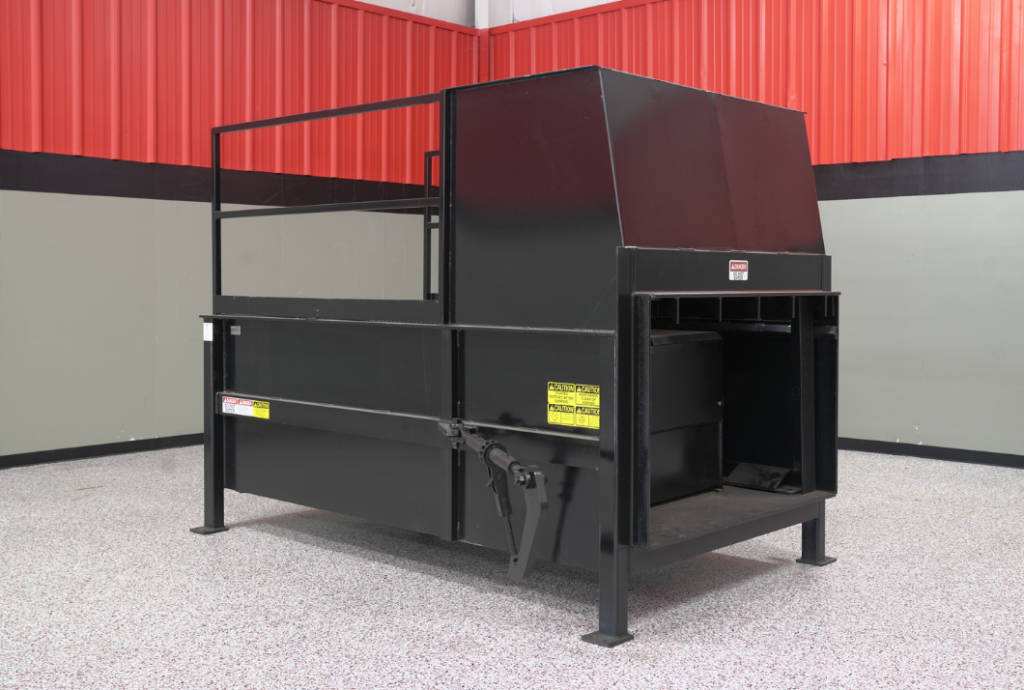
If your container isn’t packing out as expected, or if bale or container weights are lower than normal for the same volume of material, the machine is not compacting efficiently.
Inconsistent compaction can result from hydraulic pressure loss, ram seal wear, or a damaged or worn ram face. It can also result from operators loading material improperly, but if loading behavior has not changed and compaction results have, the machine is the variable. By keeping a regular maintenance schedule, these issues rarely arise keeping your equipment operating at peak performance while maintaining hauling efficiency and lower total costs for emergency repair.
Sign 5: Increased Energy Consumption
Waste compactors with declining mechanical or hydraulic health draw more power to accomplish the same work. A machine that used to complete 20 cycles per hour now completes 15 and draws the same or more amperage.
Energy monitoring systems make this trend visible in data rather than operator perception. For facilities tracking energy consumption at the equipment level, a rising baseline on compactor power draw is one of the clearest early indicators of developing mechanical issues.
This is one of the core capabilities of IoT monitoring platforms for waste compactors. Rather than relying on operators to notice a change in machine sound or feel, the monitoring system tracks cycle efficiency and power consumption automatically and flags deviations from established baselines.
Predictive Maintenance Through iSMART Technology™
Komar’s iSMART Technology™ monitoring platform tracks compactor performance in real time. Cycle count, cycle time, hydraulic pressure readings, and motor performance data are monitored continuously. When parameters deviate from normal operating ranges, the system generates alerts based on your subscription tier.
For operations managers overseeing multiple waste compactors across one or more facilities, remote monitoring means visibility without manual inspection rounds. Service can be scheduled proactively when monitoring data indicates developing issues, rather than reactively when a failure occurs.
The shift from reactive to predictive maintenance typically reduces emergency service calls by 40 to 60 percent for facilities making the transition. The cost difference between planned maintenance and emergency service is significant, and the operational benefit of avoiding unplanned downtime is greater still.
| If your waste compactors are showing any of these signs, or if your current service program is primarily reactive, it is worth evaluating a more structured approach. Komar’s service team can assess your equipment and recommend a preventive maintenance program. Contact Komar to create a service plan. |
What a Professional Compactor Service Visit Includes
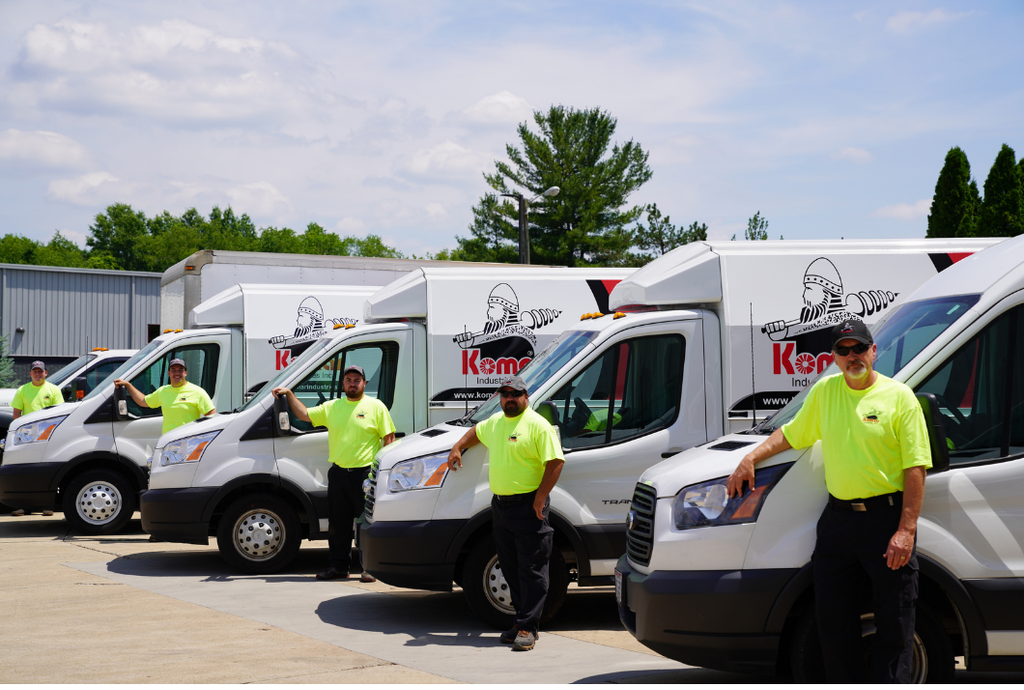
A professional service visit from a factory-trained technician covers more than the presenting symptom. A structured inspection reviews the hydraulic system, electrical controls, ram and guide components, container interface, and mounting hardware.
Technicians trained on a manufacturer’s specific equipment line bring a diagnostic advantage over generalist contractors. They know the common failure patterns, have seen the same symptoms on hundreds of machines, and can often identify the root cause faster.
Factory-direct service also means parts are sourced directly from the manufacturer. Lead times can be shorter than through a dealer or distributor, and parts are guaranteed for the specific equipment model.
Building a Preventive Maintenance Schedule for Waste Compactors
A basic preventive maintenance schedule for waste compactors includes annual inspections of hydraulic fluid level and condition, filter replacement, electrical control review, ram and cylinder inspection, and container interface check.
High-volume operations should increase inspection frequency to semi-annually. Machines operating in harsh environments – extreme temperature variation, high-dust conditions, heavy continuous use – need more frequent attention.
Document every service visit. A service history for each machine is essential for warranty compliance, budget planning, and selling the case for replacement when a machine reaches end of life.
Frequently Asked Questions
Watch for five warning signs: unusual sounds during operation, slow cycle times, visible hydraulic fluid leaks, inconsistent compaction performance, and increased energy consumption. Any of these warrants a service inspection.
The most common precursors to compactor failure are hydraulic leaks, extended cycle times, unusual mechanical sounds, declining compaction efficiency, and rising power draw. These signs typically appear weeks before a complete failure.
Standard commercial waste compactors should receive annual preventive maintenance inspections. High-volume or continuously-operating machines benefit from semi-annual inspections. Always document service visits for warranty and planning purposes.
Predictive maintenance uses real-time monitoring data to identify developing issues before they cause failures. IoT monitoring platforms like Komar’s iSMART Technology™ system track cycle efficiency, hydraulic pressure, and power consumption, flagging deviations that indicate service needs.
Don’t Wait for a Failure to Schedule Service
Komar’s factory-direct service network provides preventive and emergency maintenance for waste compactors across North America. If your equipment is showing early warning signs, or if you are ready to move from reactive to preventive maintenance, our service team can help. Connect with a service specialist today.