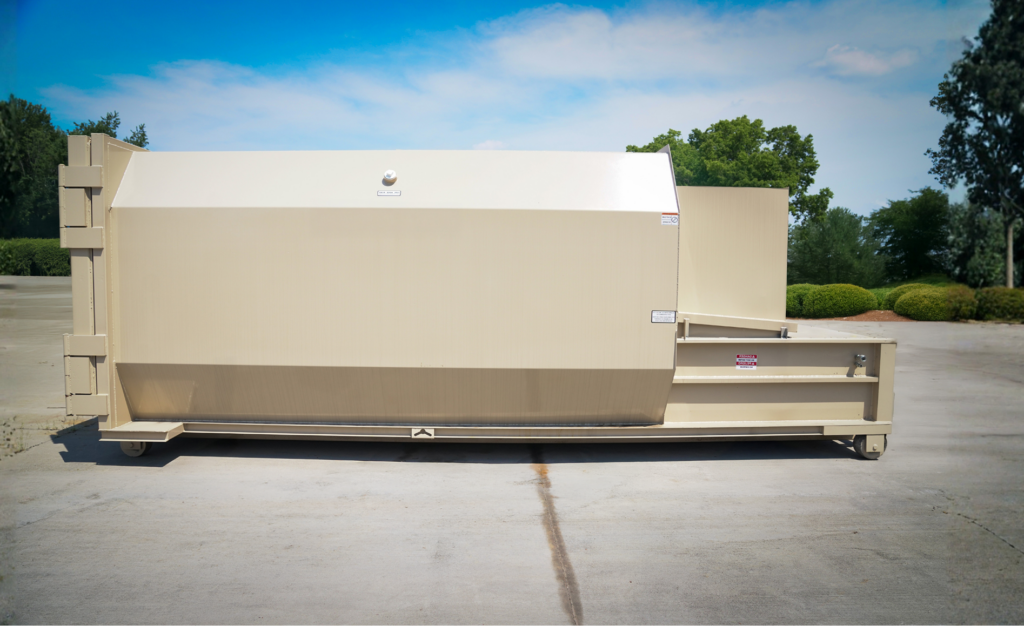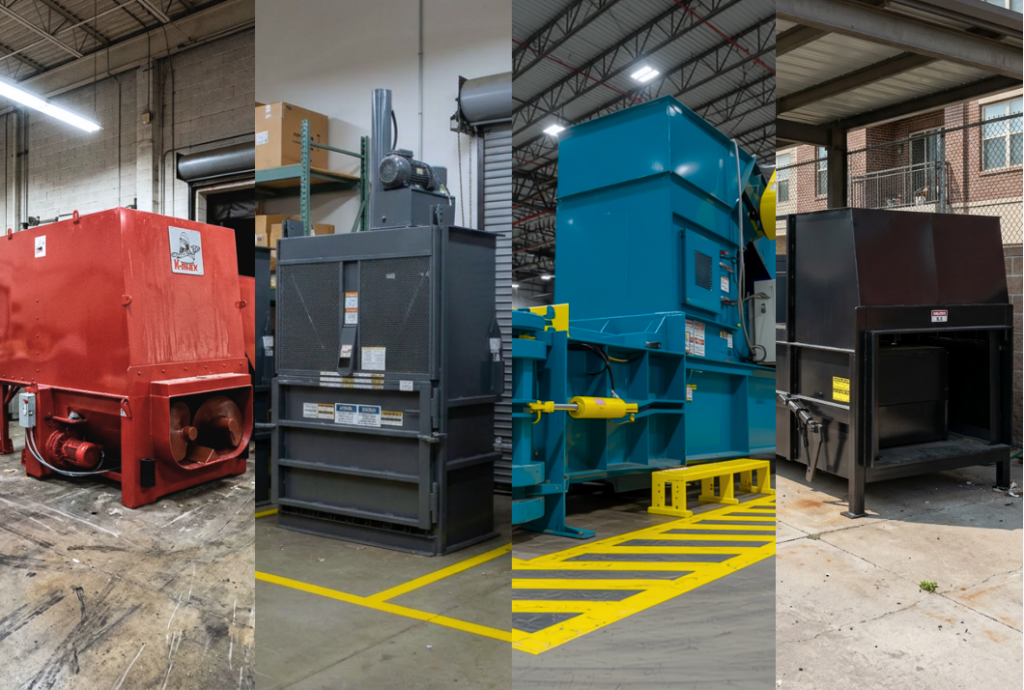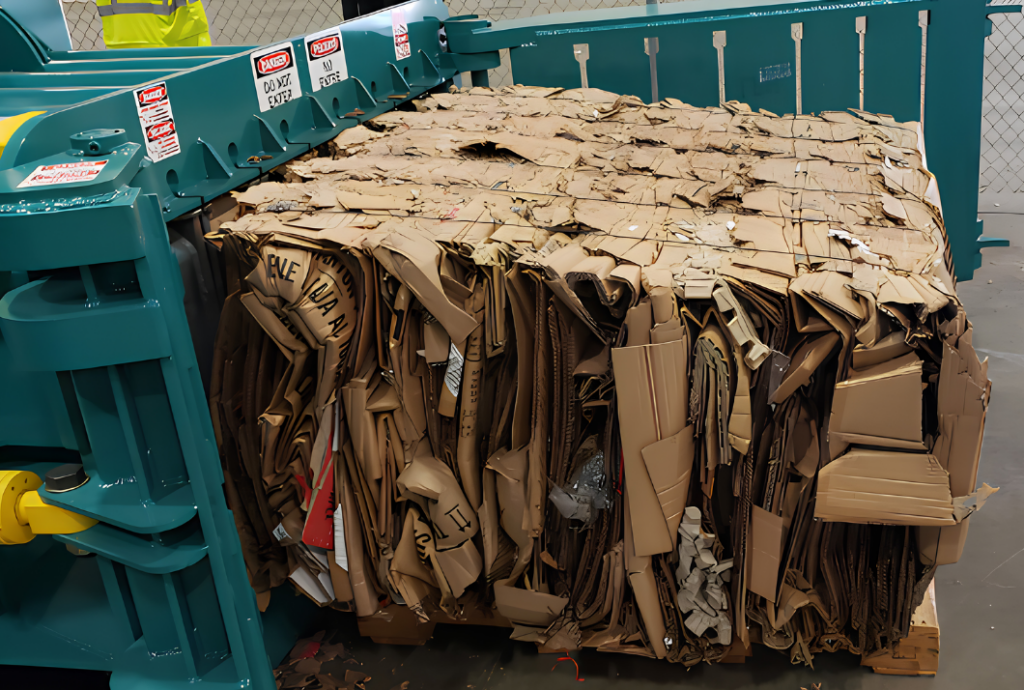
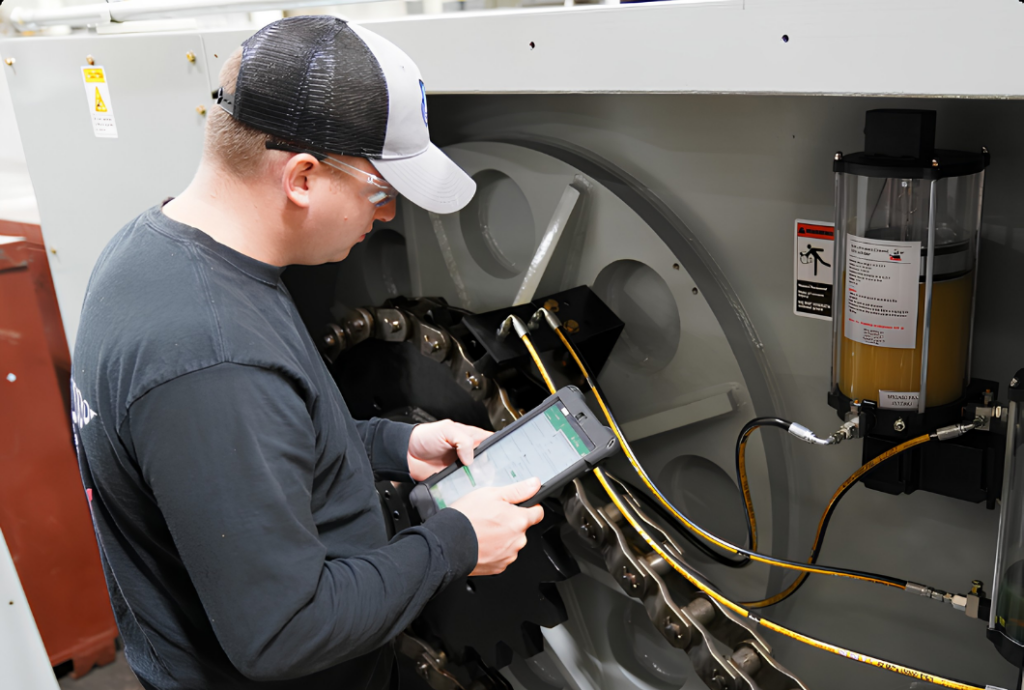
A baler or compactor does not fail at a convenient time. It fails on the busiest shift, when material is stacking up faster than your crew can move it. The line backs up and you’re sitting idle.
That is the real cost of reactive maintenance. You are not just paying for the repair, you are paying for the pileup, the overtime, and the workaround. The fastest way to reduce equipment downtime is to stop waiting for the breakdown and start preventing it.
Table of Contents
- The True Cost of Reactive Maintenance
- What a Preventive Maintenance Program Covers
- How a Plan Is Built for Your Equipment
- Why Factory-Trained Service Changes the Math
- Frequently Asked Questions
- Plan the Uptime Instead of the Repair
Key Takeaways
|
The True Cost of Reactive Maintenance
Reactive maintenance is the break-fix model. You run the equipment until something fails, then you call for a repair. It feels cheaper because you are not paying for service you did not obviously need, but that math ignores the biggest expense.
When a cardboard baler or compactor goes down mid-shift, the failure does not stay contained to the machine. Material has nowhere to go, so the line slows or stops, staff scramble for a workaround, and you pay overtime or extra fees to rent an open-top to catch up. In a production environment, that machine downtime is a production-line problem, not a facility line item.
Add the premium on emergency repair, the wait for a technician, and the rush on parts, and a single unplanned failure often costs several times what scheduled service would have. Reactive maintenance doesn’t save money. It simply moves the bill to the worst possible moment.
What a Preventive Maintenance Program Covers
A preventive maintenance program replaces the guesswork with a set schedule of service visits. The goal is to keep the equipment inside its healthy operating range and to catch wear before it becomes a failure.
The specifics vary by equipment type, but a thorough visit follows a consistent scope. Each item exists to catch a different failure mode before it reaches your production floor.
- Scheduled Inspections: A technician checks structural, mechanical, and safety components on a set cadence.
- Fluid Checks: Hydraulic levels, pressure, and condition are verified, which is important because many compactor and baler failures trace back to the hydraulic system.
- Wear Part Replacement: Seals, shear blades, wear liners, and other consumables are replaced as needed before they fail in service.
- System and Safety Tests: Cycle performance, controls, and safety interlocks are tested to confirm the machine runs correctly and protects the operator.
The thread running through all of it is early detection. A soft hydraulic reading, a seal starting to weep, or a blade losing its edge is cheap to fix on a Tuesday and expensive to fix when it takes the machine offline. Preventive service turns a would-be failure into a routine part swap.
| Want to know what a maintenance visit should include for your specific equipment? A Komar service specialist can walk through the right scope and cadence for the balers and compactors you run today. |
How a Plan Is Built for Your Equipment
A useful equipment maintenance program is built around what you run, how hard you run it, and what it is processing.
The plan starts with your equipment. Equipment type, age, run hours, and material all change how fast components wear, and a compactor packing wet waste at a high-throughput plant needs a different cadence than a low-volume vertical baler. From there, the service interval is set to match real usage, so you are not over-serving light equipment or under-serving the machines carrying your operation.
Reporting and Service Tracking
A good program also includes detailed documentation. Each visit produces a service record, so you can see what was inspected, what was replaced, and what is trending toward replacement. That history turns maintenance from a cost you hope is working into a record you can plan and budget against.
Over time, that tracking is what lets you forecast. You know when a wear part is due, you can budget for it, and you can schedule the work around your production calendar instead of around a breakdown.
Why Factory-Trained Service Changes the Math
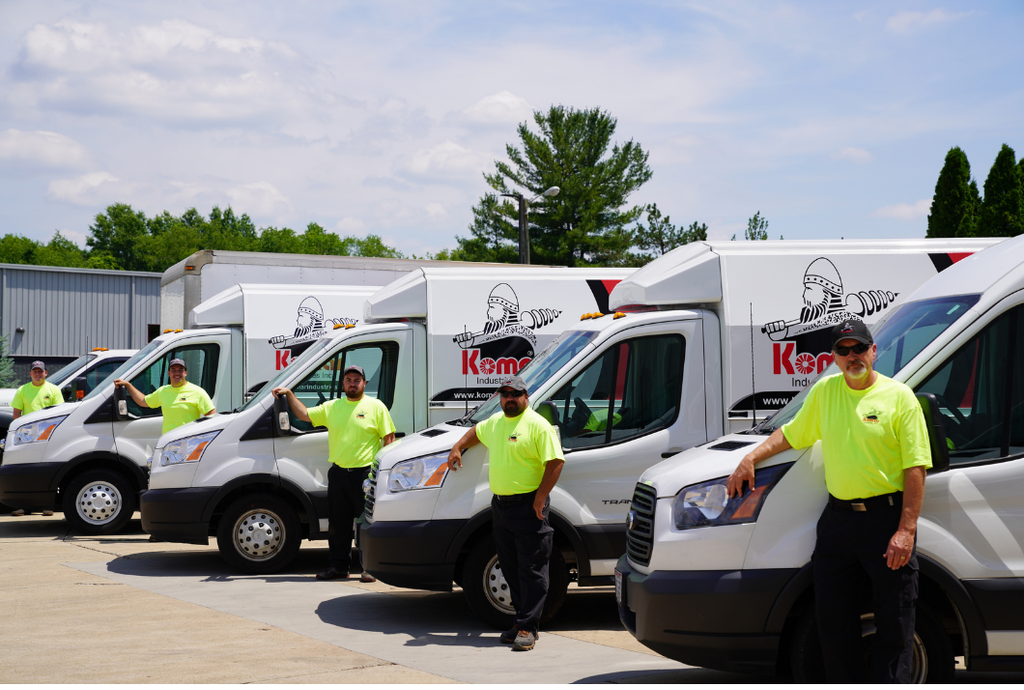
Who performs the service matters as much as the schedule. Komar delivers preventive maintenance through one of the largest factory-trained service networks in North American waste and recycling equipment, supported by a nationwide network of trusted service partners.
Factory-trained means the technicians are trained by the company that engineers and builds the equipment, which speeds diagnosis and keeps parts sourcing inside one accountable platform.
That single-source model is the difference between a vendor who shows up and a partner who owns the outcome. When the same company manufactures, monitors, and services your compactors and balers, preventive maintenance becomes a reliable way to reduce equipment downtime rather than one more schedule to manage.
| Ask a Komar application specialist to build a preventive maintenance plan around your equipment, your run hours, and your production calendar, so service happens on your schedule instead of after a failure. |
Frequently Asked Questions
Yes. Many service providers can cover mixed-brand equipment, which removes the burden of coordinating a different vendor for every machine. Komar’s factory-trained technicians are trained on most major brands of compactors and balers, so equipment from different manufacturers can sit under a single service program.
Terms are tailored to your equipment and how you plan and budget. Preventive maintenance agreements are commonly offered as annual contracts, with multi-year options for operators who want locked-in coverage and pricing across equipment. A Komar service specialist can recommend a term that fits your equipment mix.
Keeping preventive service and repairs under one provider usually earns priority response and preferred rates when a breakdown does happen. It also speeds the repair, because the technicians already know your equipment and its service history.
Plan the Uptime Instead of the Repair
Every facility pays for maintenance one way or the other. The only choice is whether you pay for it on a planned schedule or on the worst shift of the month, with the line backed up behind a machine that quit.
A well-built preventive maintenance program is the most direct way to reduce equipment downtime, protect your production, and turn waste equipment from a liability into a dependable part of your operation. The schedule matters, and so does the team standing behind it.
| Contact a Komar service specialist to assess your equipment and build a preventive maintenance program that keeps your balers and compactors running when your operation needs them most. |