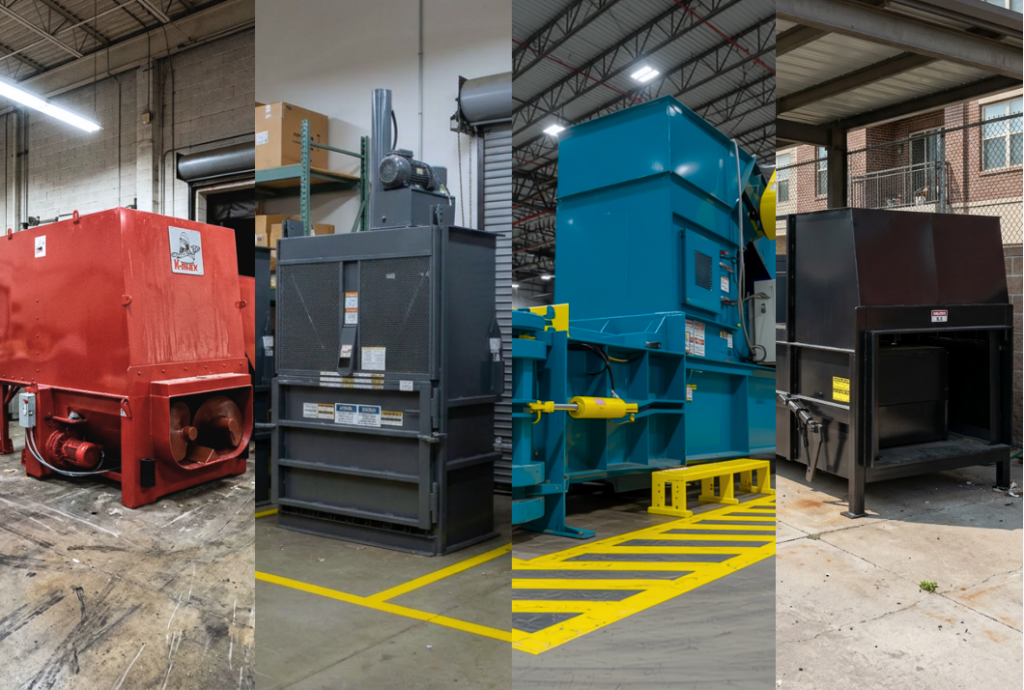
Managing waste management equipment across a large facility network is one of those problems that looks manageable until it isn’t. One region runs a commercial compactor from one vendor. Another has a recycling baler sourced through a local dealer. A third site is on a service contract that nobody in corporate can find. Then a compactor goes down on a Saturday at a high-volume distribution center, and you spend most of the morning figuring out who to call.
For facilities, operations, and procurement teams managing dozens or hundreds of locations, the real cost of this problem isn’t any single breakdown. It’s the accumulated drag of inconsistent vendors, mismatched equipment specs, unpredictable response times, and no visibility into what’s running where.
The Real Cost of Vendor Fragmentation
Multi-location operations take different approaches to waste equipment. Some have built consistency through a national RFP process. Others are managing a vendor mix that accumulated incrementally — a regional manager found a local supplier, a new facility opened and procurement took the fastest option, an acquisition added locations with different service relationships already in place.
The result is a procurement and operations problem that compounds over time. Some replacement parts don’t cross over between equipment brands. Service response times vary from four hours to four days depending on the vendor and the region. Training is inconsistent, so staff at one site handles waste processing differently than staff at another. And when you need a portfolio-level view of equipment status, uptime, or service history, you’re pulling data from multiple systems that don’t talk to each other.
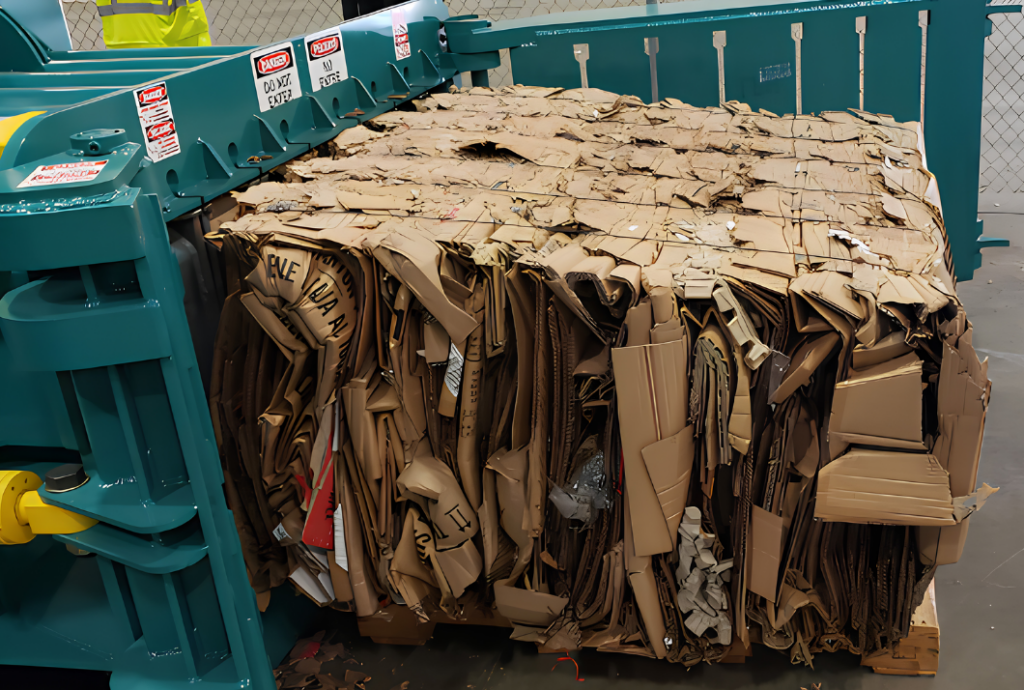
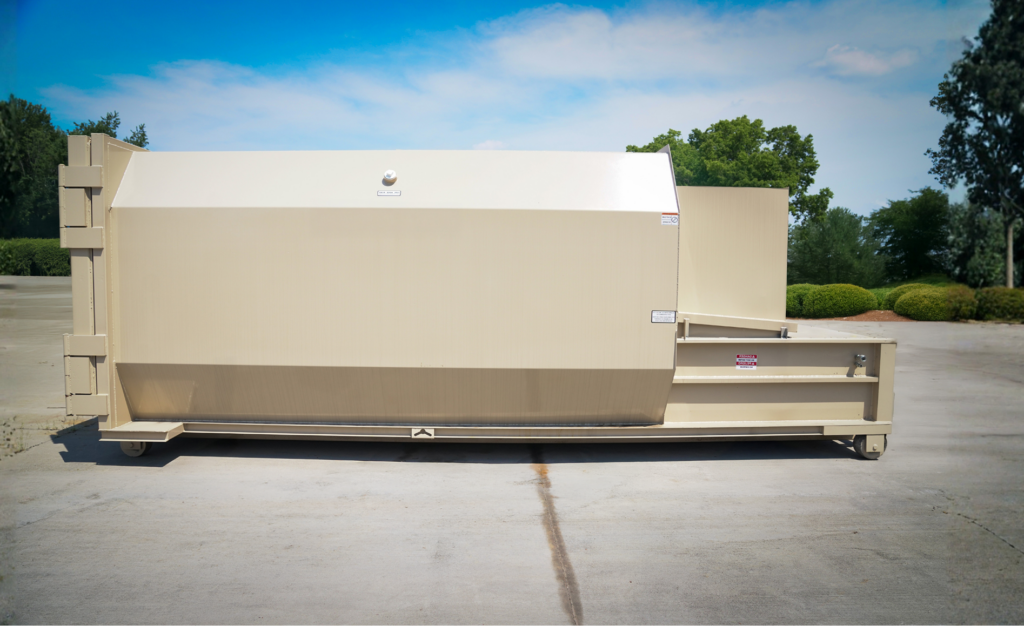
For industries like mixed retail, distribution and logistics, and other industries, this isn’t a background issue. Waste processing is part of daily operations. A commercial trash compactor or recycling baler that sits down for 48 hours affects loading dock throughput, waste stream management protocols, and in some cases compliance with local waste diversion requirements. When service is handled by different vendors in different regions, you get different response time commitments, different parts availability, and different interpretations of what “emergency service” means.
None of this shows up as a line item in the budget. But it shows up in operational overhead, compliance exposure, and the time your facilities team spends managing vendor relationships instead of running the business.
What a Unified Equipment Platform Actually Covers
Standardizing waste equipment across a multi-location portfolio isn’t just about picking one brand and buying in volume. A genuine unified platform covers four things:
- Standardized equipment specs by facility type, so a distribution center and a retail location each get the right commercial compactor or recycling baler for their waste volume and stream composition
- Centralized parts inventory, so replacements are available quickly without sourcing from multiple distributors
- National service coverage with consistent response time commitments, not regional variability based on which local dealer picked up the contract
- Single-vendor procurement that simplifies purchasing, contract management, and AP processing across the portfolio
For organizations with 20, 50, 200, or 2,000 locations, the administrative value of this structure alone is significant. When your procurement team isn’t managing six vendor relationships, they’re spending that time on higher-leverage work.
| Managing waste equipment across multiple sites? Talk to Komar about a unified service and equipment program. |
5 Steps to Build a Unified Waste Management Equipment Program
Moving from a fragmented vendor mix to a unified program is a sequence of decisions, and the order matters. Auditing equipment before defining specs prevents you from standardizing around assumptions. Defining specs before selecting a partner keeps the conversation grounded in what your facilities actually need rather than what a vendor wants to sell. The five steps below work in order, and each one sets up the next.
Step 1: Audit your current equipment footprint
Before you can standardize, you need to know what you’re working with. Document every site: what equipment is running, who manufactured it, who services it, and what the current service terms look like. Most multi-location operations discover more variability at this stage than they expected.
Step 2: Define equipment specs by facility type
Standardization doesn’t mean one spec for every site. A 500,000 square foot distribution center processes a different volume and mix of waste than a 15,000 square foot retail location. Applying a single equipment spec across all facility types creates a different kind of problem.
The right approach is to standardize within facility categories: define the equipment spec for high-volume distribution, mid-size retail, and smaller-format locations separately, then hold to those specs across every new opening and equipment replacement. This gives you the procurement and service consistency of a unified platform without forcing a one-size-fits-all spec onto facilities with meaningfully different requirements.
Step 3: Select a single national equipment partner
Look for a manufacturer with both the product range to cover every facility type in your portfolio and the service infrastructure to back it with a consistent national SLA. A primarily factory-direct service model — where the company that built the equipment also maintains it — is the clearest indicator of service accountability at scale.
Step 4: Consolidate procurement and service under one agreement
Once your partner and specs are in place, move all purchasing, service calls, parts sourcing, and contract management to a single relationship. One vendor, one invoice structure, one point of contact when something needs to be resolved.
This is also where a consistent national response becomes concrete. When a waste compactor goes down at a high-volume distribution center during peak season, “we’ll get someone out in a few days” is not an acceptable answer. Same-day response protects throughput, keeps the loading dock operational, and avoids the downstream disruptions that compound quickly. It also shifts the burden of coordination off your facilities team — when the service call goes to one number that covers every site, your team is managing the exception, not the process.
Step 5: Establish centralized visibility across your portfolio
Work with your equipment partner to get a unified view of service history, equipment age, and maintenance status across every site. Instead of chasing service records from five vendors when a lease renews or a facility changes hands, you pull the history from one source. Instead of finding out a unit is past its service interval when it goes down, you can plan maintenance proactively across the network.
For facilities and operations leaders who report up to a CFO or COO, this is often where the business case for standardization lands. It’s not just about service response times — it’s about having the data to make better decisions at scale.
Frequently Asked Questions
Why is managing waste equipment across multiple locations so difficult?
Multi-location waste equipment programs can develop inconsistencies over time, whether through independently sourced vendors at the site level, organic growth, or acquisitions that bring existing equipment relationships with them. The result is variable service standards and no centralized view of the equipment portfolio. Standardizing through a single national partner addresses both.
What are the risks of using different vendors at each site?
Vendor fragmentation creates variable response times, parts incompatibility, inconsistent training, and gaps in portfolio-level reporting. In high-volume operations, equipment downtime from slow service response has direct operational and compliance consequences.
How can I get consistent service across all my locations?
A national waste equipment partner with regional service infrastructure can deliver consistent response time commitments across a dispersed location portfolio. The key is finding a provider with both the product range to match equipment to facility type and the service coverage to back it with a single national SLA.
What should I look for in a nationwide equipment partner?
Look for a partner that can support tiered equipment standardization across facility types, offers centralized parts inventory, provides consistent same-day service response nationally, and gives you portfolio-level reporting without requiring you to aggregate data from multiple vendor systems.
| Managing waste equipment across multiple sites? Talk to Komar about a unified service and equipment program. |