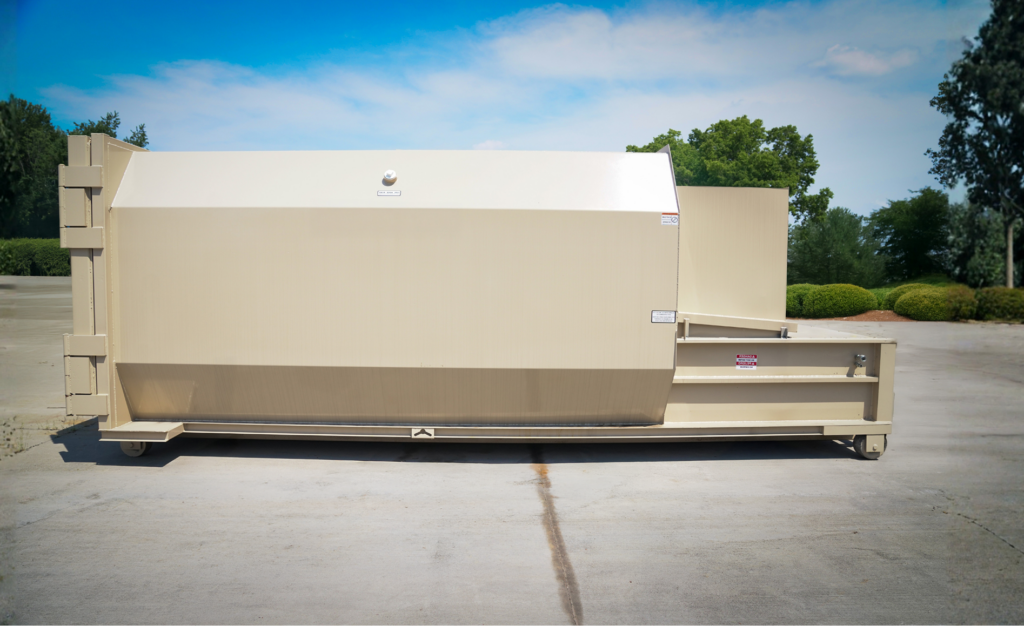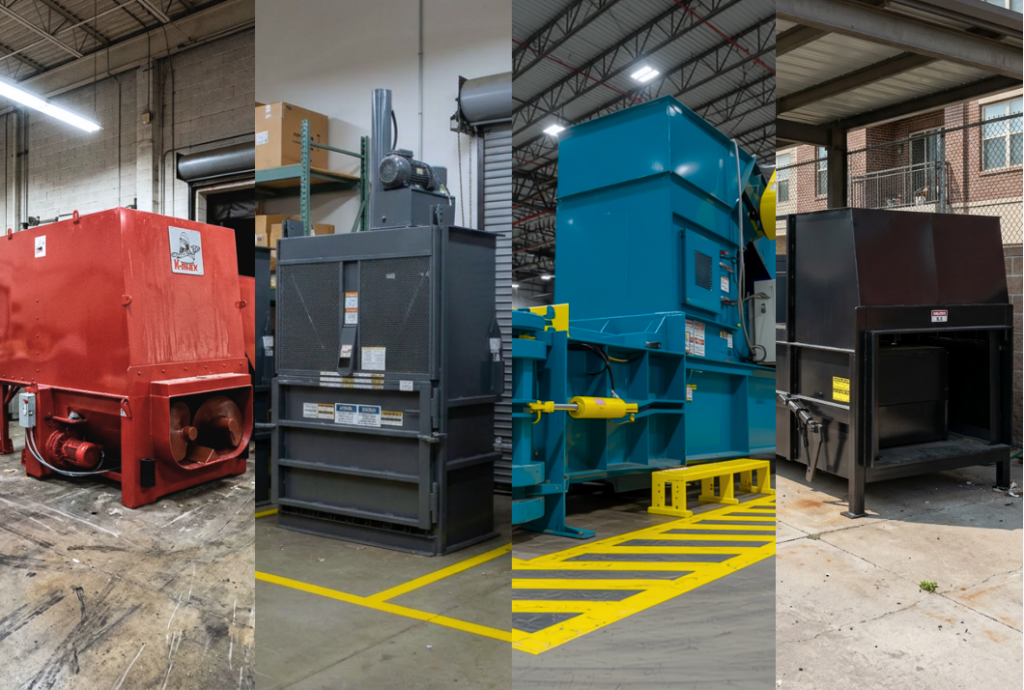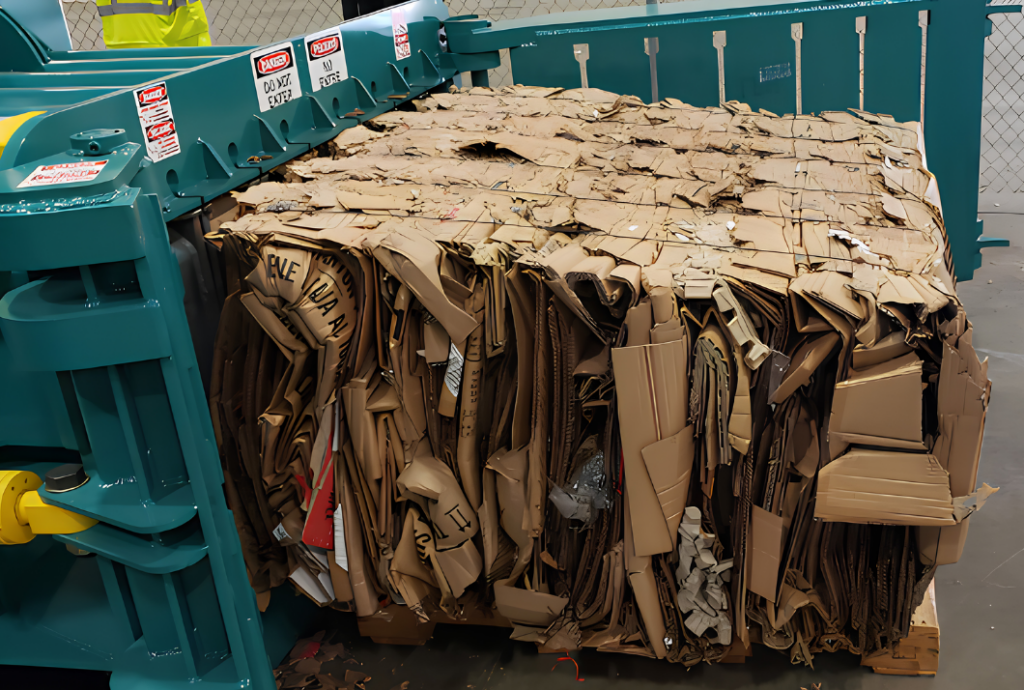
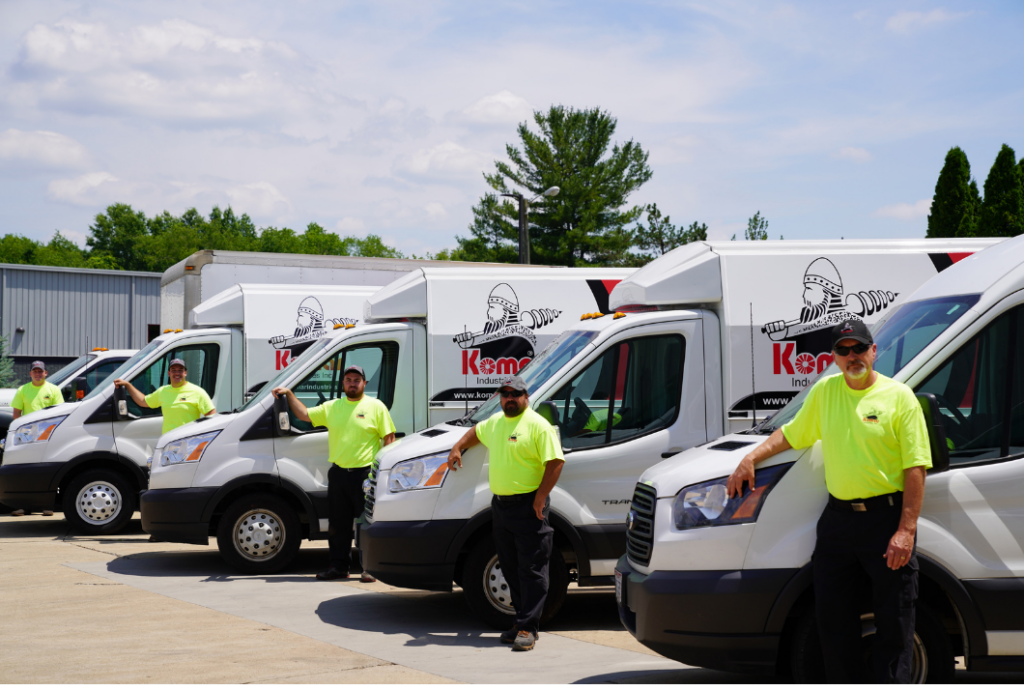
When an industrial baler goes down in a distribution center processing thousands of boxes per day, the cost of that downtime is immediate: cardboard piling up, receiving operations backed up, staff pulled off their normal tasks to deal with the overflow.
How fast the machine gets back online depends almost entirely on the service model. A third-party contractor working through a dealer network takes longer to diagnose, longer to source parts, and longer to resolve problems than a technician with direct access to the manufacturer’s systems, parts inventory, and engineering support.
Factory-direct service is not a marketing term. It describes a specific operational difference in how service is delivered and how quickly problems get resolved.
Table of Contents
- Key Takeaways
- How Factory-Direct Service Differs from Dealer Networks
- The Komar Service Network
- Why Parts Access Matters More Than You Think
- Preventive Maintenance and iSMART™ IoT Monitoring
- What a Factory-Direct Service Evaluation Looks Like
- Frequently Asked Questions
Key Takeaways
|
How Factory-Direct Service Differs from Dealer Networks
In a dealer or distributor service model, the equipment manufacturer sells through a third party. When the equipment needs service, the dealer or a contracted technician handles the call. Parts come through the dealer’s inventory or have to be ordered from the manufacturer. If the technician is not familiar with the specific machine, diagnosis takes longer.
In a factory-direct model, the manufacturer’s own technicians handle service. They are trained specifically on the manufacturer’s full equipment line. Parts come from the manufacturer’s own supply chain. If a technician needs engineering support, they are one call away from the engineers who built the machine.
For an industrial baler or compactor, this distinction directly affects three things: response time, diagnostic accuracy, and first-visit resolution rate.
The Komar Service Network
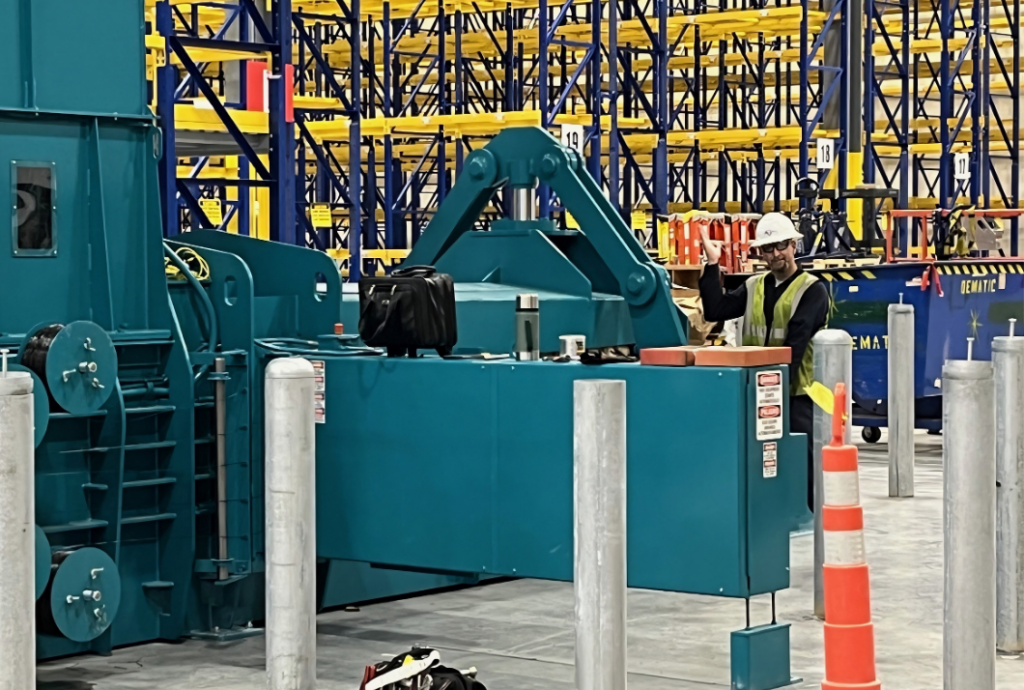
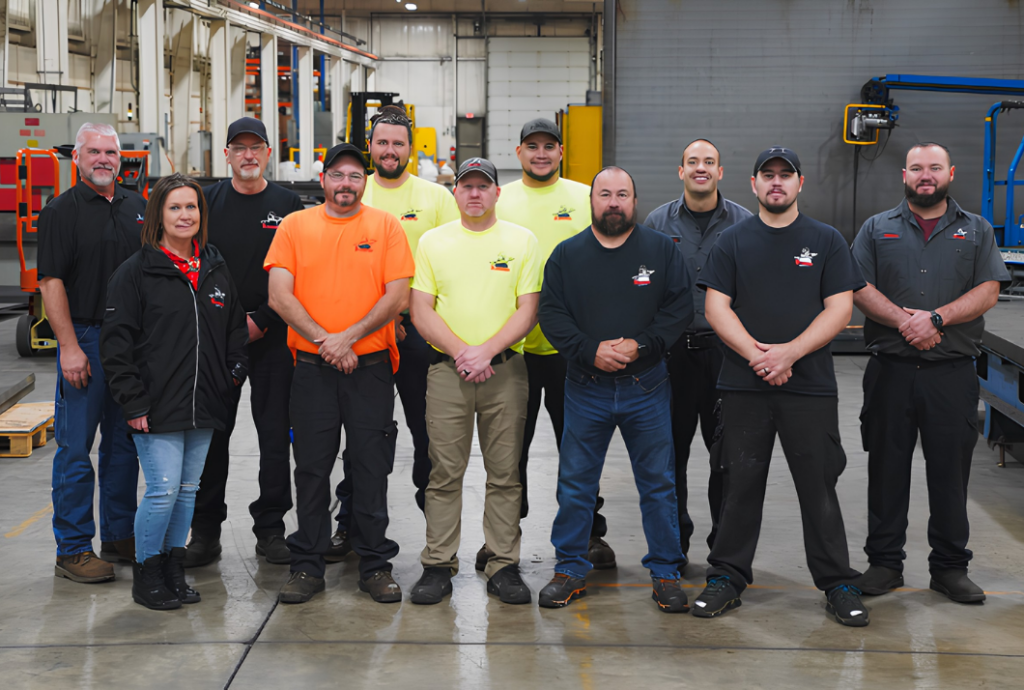
Komar operates a robust service network — one of the largest in North American waste equipment. Technicians are factory-trained and have access to Komar’s parts supply chain and engineering support.
The network handles tens of thousands of service calls annually across North America. That volume builds a diagnostic knowledge base that a regional contractor or dealer network cannot replicate. Technicians have seen the failure modes, understand which components are most likely to cause specific symptoms, and can move from diagnosis to repair faster because of that accumulated experience.
Parts orders go directly through Komar’s inventory system. When a part needs to be ordered, there is no dealer markup or intermediary extending the lead time.
| If your current industrial baler or compactor service model relies on third-party contractors and reactive maintenance, the uptime difference of a factory-direct program is worth evaluating. Talk to a Komar service specialist to get started. |
Why Parts Access Matters More Than You Think
A significant portion of industrial baler downtime is parts-related, not diagnostic. The technician identifies the problem on the first visit but does not have the part, cannot get it from a dealer for three days, and has to schedule a return visit.
In a factory-direct model, parts sourcing happens at the manufacturer level. Common maintenance components are kept in field inventory. Less common parts are ordered directly from the manufacturer’s warehouse with shorter lead times than a dealer network provides, assuming fabrication is not required.
For facilities running around-the-clock operations where an industrial baler is a critical piece of infrastructure, this difference in parts availability is often the most significant factor in total downtime.
Preventive Maintenance and iSMART™ IoT Monitoring
The most cost-effective service model is one that prevents failure rather than responding to it.
Komar’s iSMART™ Technology IoT platform monitors equipment health in real time. Sensors track cycle times, hydraulic pressure, motor performance, and other operational parameters. When readings frequently deviate from normal ranges, the system flags potential issues before they become failures.
For industrial balers in high-volume operations, this means planned maintenance interventions instead of emergency service calls. A technician arrives during scheduled downtime to replace a seal that was showing early wear, rather than responding to an unplanned failure during a peak production period.
Facilities using iSMART™ Technology monitoring shift from reactive break/fix to planned maintenance, reducing the likelihood of unplanned downtime during peak operating windows. When it prevents even one major breakdown during a critical period, the monitoring investment pays for itself.
| If your current industrial baler or compactor service model relies on third-party contractors and reactive maintenance, the uptime difference of a factory-direct program is worth evaluating. Talk to a Komar service specialist to get started. |
What a Factory-Direct Service Evaluation Looks Like
Before switching service models, the right question is whether your current downtime levels and service costs justify a change. That starts with pulling actual data: how many service calls per machine per year, average response time, parts lead times, and total maintenance cost as a percentage of equipment value.
For most facilities, this data is harder to pull together than it should be because service is handled at the location level with no centralized tracking. That itself is worth noting: if you cannot see your equipment’s service history, you cannot manage it.
A service program review with Komar starts with that data-gathering step and builds from there. The output is a clear picture of what your current model costs and what a factory-direct alternative would provide.
Frequently Asked Questions
Factory-direct service means the equipment manufacturer’s own trained technicians handle service calls rather than dealers or third-party contractors. Technicians have direct access to manufacturer parts, diagnostics, and engineering support.
Komar operates a robust service network with technicians trained on Komar’s equipment and with direct access to Komar’s parts supply chain and engineering support. This model reduces the delays and knowledge gaps common in third-party dealer arrangements.
iSMART™ Technology is Komar’s subscription-based equipment monitoring platform that tracks real-time operational data from balers and compactors. It flags fullness and frequent deviations from normal operating ranges to enable preventive maintenance before failures occur.
Response time depends on location and specific equipment, but factory-direct service eliminates intermediary delays common in dealer networks. First-visit resolution rates are higher because technicians have direct parts access and manufacturer-level diagnostic expertise.
| Ready to put your industrial baler service on a better model? Reach out to a Komar service specialist to discuss your current setup and what a factory-direct program would provide. Visit komarindustries.com/service-support to connect with the team. |