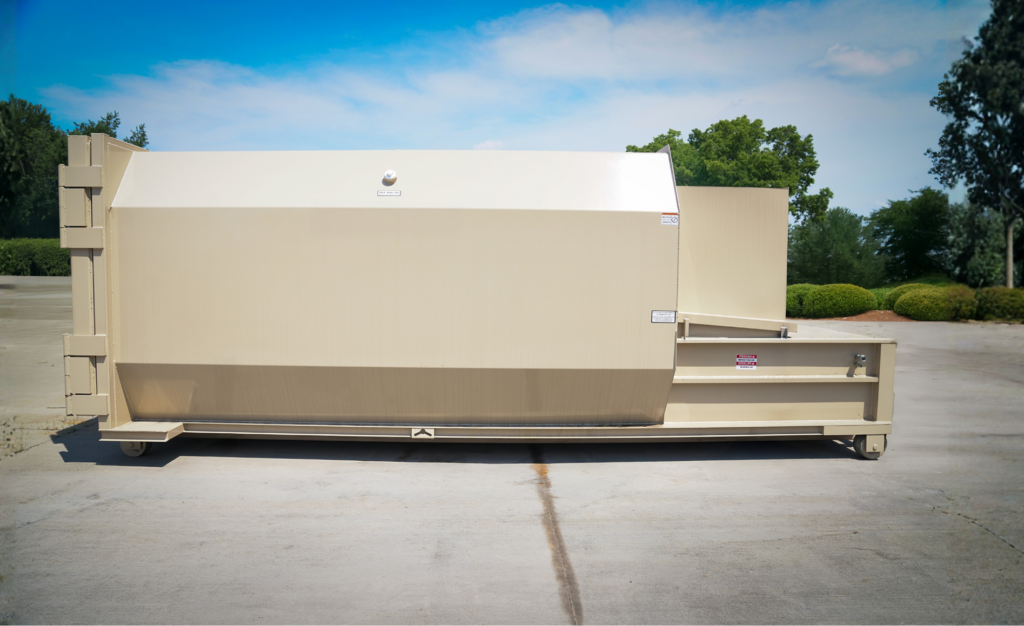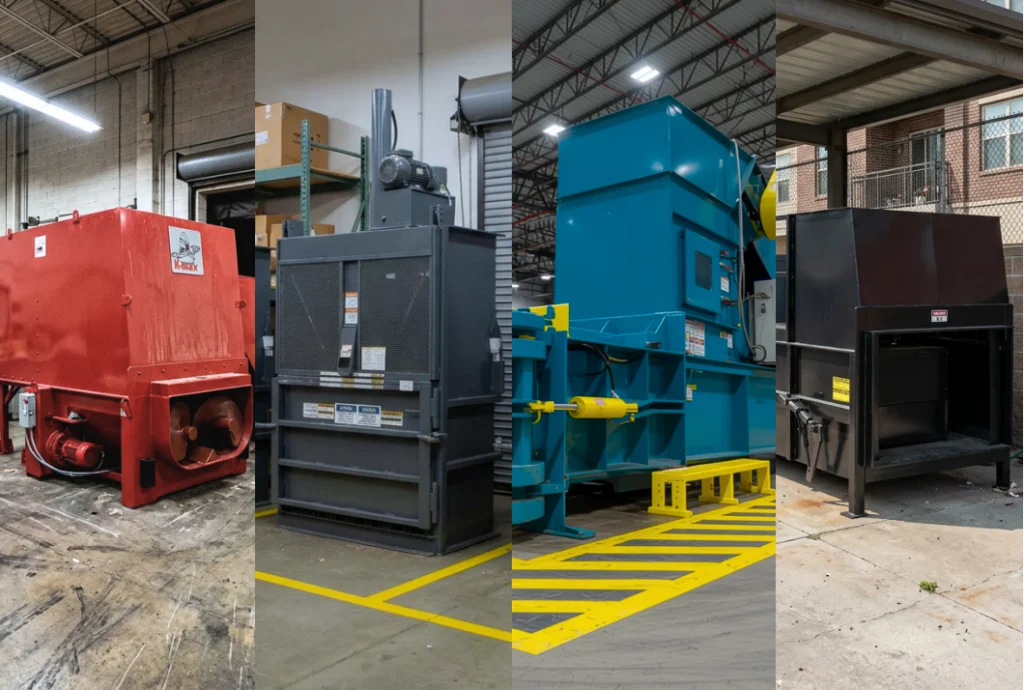
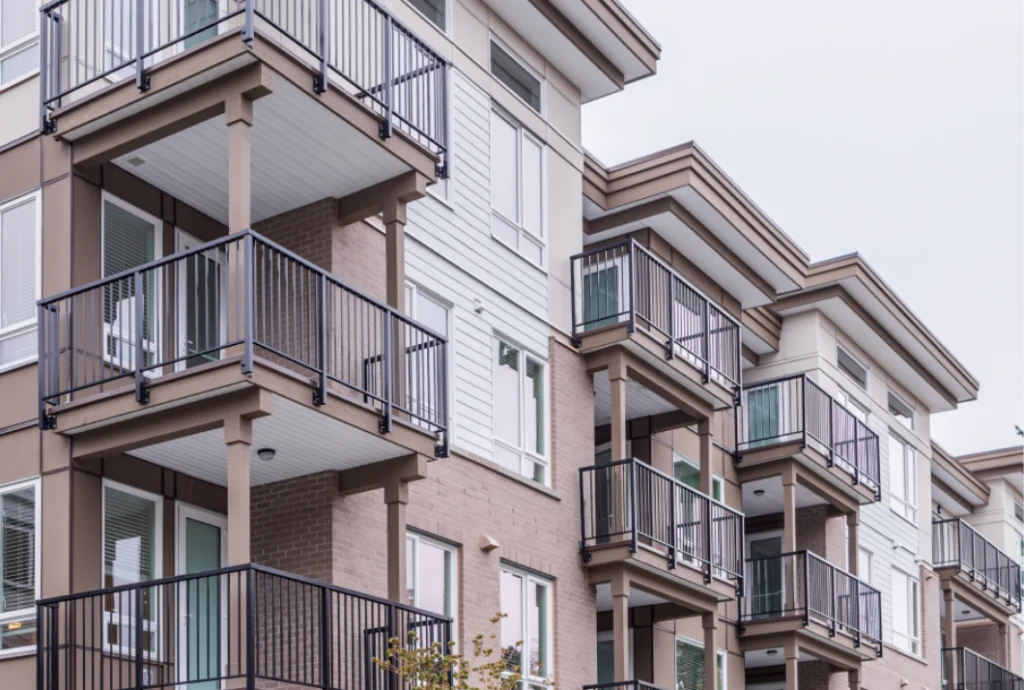
Oftentimes, multifamily and commercial buildings manage trash chutes and waste compactors as separate systems with separate vendors. The chute company installs and services the vertical shaft and collection equipment. The compactor company handles the waste management equipment (WME) at the bottom. In many cases, the system functions as intended.
It gets complicated when something goes wrong because diagnosing the problem requires visibility across both systems. Depending on how the relationship is structured, that coordination can be straightforward or it can create delays. Either way, it lands on the property manager to figure out.
That coordination overhead, and the gaps it can create, is what an integrated approach is designed to reduce.
Table of Contents
- How a Trash Chute System Connects to a Compactor
- Types of Trash Chute Systems for Multifamily Buildings
- The Cost of Managing Separate Vendors
- What an Integrated Approach Delivers
- Monitoring Integrated Systems with iSMART Technology™
- Frequently Asked Questions
Key Takeaways
|
How a Trash Chute System Connects to a Compactor
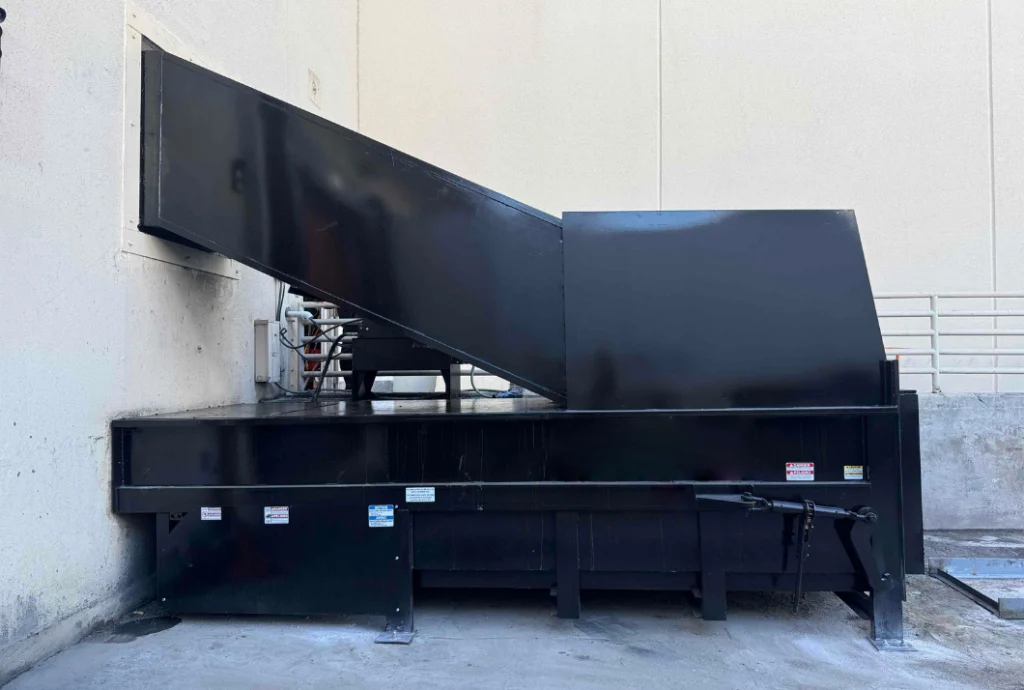
In a multifamily building with a trash chute, residents deposit waste into chute doors on each floor. The material falls through the vertical chute shaft to a collection point on the ground floor or basement level. At the base of the chute, waste enters a compaction unit that compresses it for storage in a container.
The connection between the chute outlet and the compactor intake is where integration matters most. A chute system designed to work with a specific compactor model ensures proper material flow, minimizes blockages, and allows the compactor to operate at its intended capacity. Mismatched systems create flow problems, increase jam frequency, and require manual intervention more often.
A chute-fed compactor is specifically designed to receive material from a chute system. The intake geometry, hopper design, and ram cycle are configured for the continuous, gravity-fed material flow that chute systems produce.
Types of Trash Chute Systems for Multifamily Buildings
Trash chute configurations vary based on building height, waste volume, and building layout.
Standard Residential Trash Chutes
Standard chute systems are installed in mid-rise and high-rise residential buildings. Each floor has one or more chute access doors. Chute diameter is sized based on building height and estimated waste volume. Chute sections connect vertically from the top floor to the ground-level collection area.
Modern chute doors include self-closing mechanisms, fire dampers, and odor control features. Chute interiors require periodic cleaning and maintenance to prevent blockages and manage odor.
Recycling Chute Systems
Buildings with sustainability mandates increasingly install dedicated recycling chutes alongside trash chutes. These systems route recyclables separately to a baler or collection point, keeping them separate from general waste and improving diversion rates.
Recycling chute systems require clear resident communication and ongoing management to maintain separation quality.
The Cost of Managing Separate Vendors
Buildings that manage trash chute installation and compactor service through separate vendors face a predictable set of problems.
When the chute system and compactor are not matched, flow problems at the transition point become frequent. Each vendor argues the problem is the other’s equipment. Service calls pile up without resolution because neither party owns the interface, and costs can escalate.
Preventive maintenance schedules fall out of sync. The chute company services the shaft components on its schedule. The compactor company services the compaction unit and other WME on a different schedule. This can lead to increased downtime on-site, causing inconvenience and frustration for residents.
When a major component fails, coordinating emergency response from two vendors under time pressure creates delays. In a high-occupancy building, a trash system that is not operational for two or three days creates resident complaints and health and safety concerns.
What an Integrated Approach Delivers
A single provider for trash chute installation, waste management equipment supply, and ongoing service changes the operational equation in several ways.
One service call number for the entire system. Whether the problem is in the chute shaft, at the intake transition, or in the compaction unit, one team responds. No vendor finger-pointing. No coordination delay.
Maintenance schedules that cover the complete system. Planned service visits address the chute components and compaction equipment together, so the entire system is reviewed on one visit.
Equipment that is designed to work together. When the chute system and compactor come from one manufacturer or integrator, they are matched at the specification level. The intake geometry, flow rates, and control systems are designed as a unit.
| Komar works with multifamily and commercial facilities across North America on waste management equipment and chute-to-compactor system integration. Whether you are evaluating new equipment, dealing with recurring service issues, or looking to simplify how your waste system is managed, contact us today. |
Monitoring Integrated Systems with iSMART Technology™
Modern integrated chute and compactor installations can include IoT monitoring that tracks performance in real time. Cycle counts, hydraulic pressure readings, and motor performance data are monitored continuously. Deviations from normal operating ranges trigger alerts before they become failures.
For property managers overseeing multiple buildings, remote monitoring provides visibility into equipment status across the portfolio, enabling proactive service dispatch and reducing emergency call frequency and resident-facing disruptions.
Frequently Asked Questions
Material deposited in floor-level chute doors falls through the vertical shaft to a collection point at the base, where it enters a chute-fed compactor. The compactor is specifically designed to receive gravity-fed material flow from the chute and compress it into a container.
Standard residential chutes handle general waste across all floors. Dedicated recycling chutes route recyclable materials separately. Both types connect at the base to compaction or collection equipment.
Integrated systems eliminate vendor fragmentation costs: fewer emergency service calls, coordinated maintenance schedules, and no gap at the chute-to-compactor interface where problems accumulate. Building owners typically see reduced service spend and fewer resident complaints.
Komar provides integrated trash chute and compactor systems for multifamily and commercial buildings, including installation, commissioning, and ongoing service support. Depending on your market and building requirements, Komar may deliver this directly or in coordination with our vendor and OEM partner network. Contact us at komarindustries.com/contact to discuss what is available in your area.
| Komar Industries provides multifamily and commercial buildings with integrated trash chute and compactor solutions, designed and serviced as one system. If you are dealing with the operational headaches of managing separate vendors, we can help you move to a better model. Contact us to request a system assessment. |