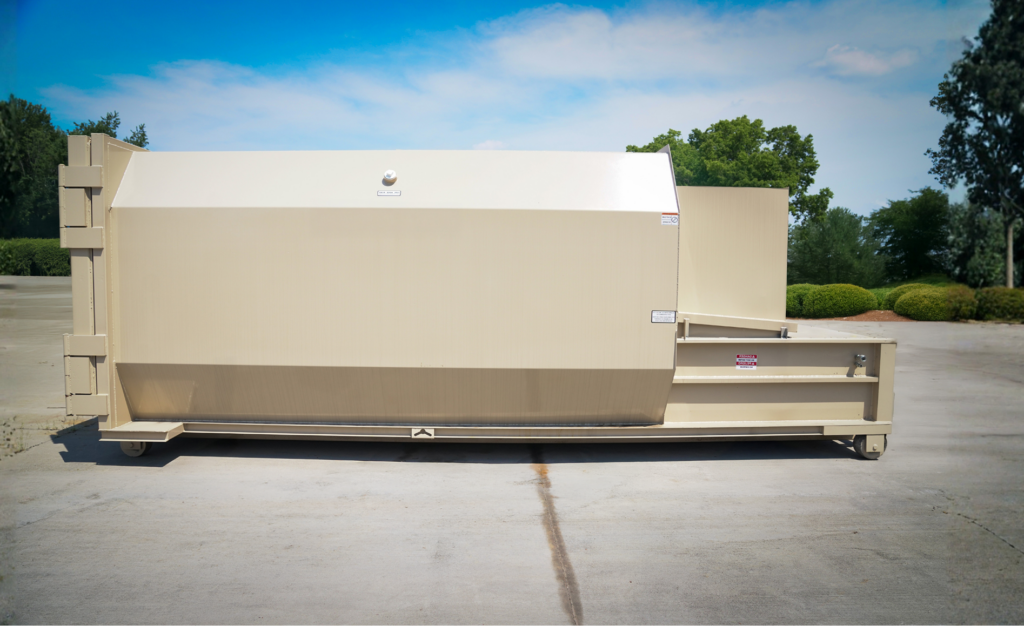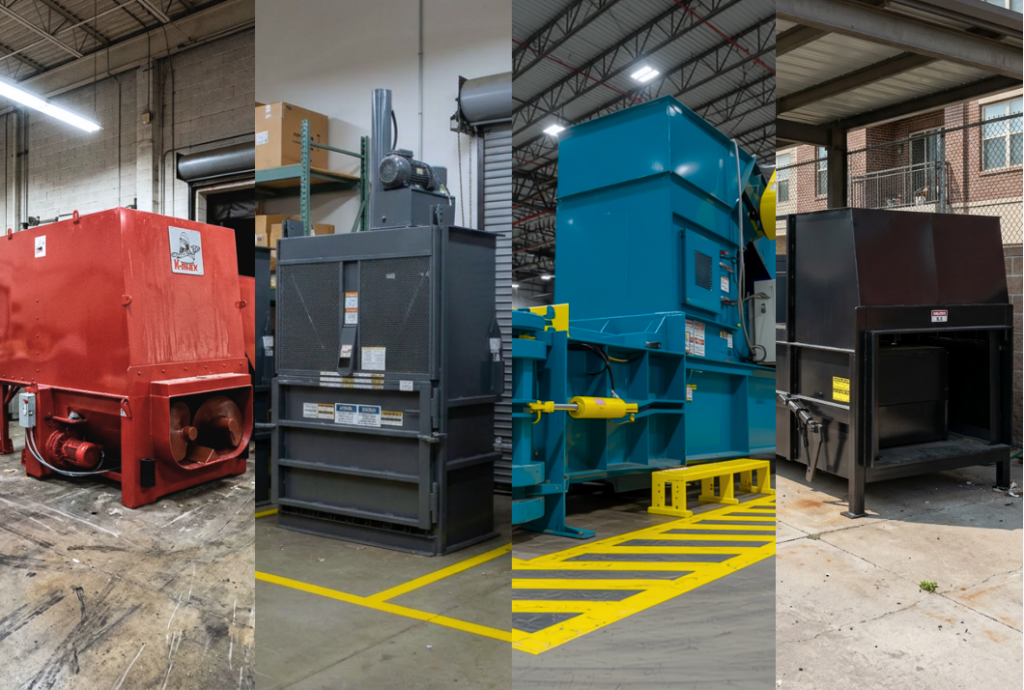

Managing waste in a multifamily building or commercial facility involves more moving parts than most people realize. An apartment trash chute system, chute-fed compactor, container haul-out schedule, and ongoing maintenance program all have to work together. When they do not, residents notice.
The traditional approach of using separate vendors for chutes and waste management equipment (WME) creates friction at every level: procurement, service coordination, emergency response, and budget planning. Property managers who have moved to a fully integrated system with one preferred partner consistently describe the same outcome — fewer calls, less downtime, and increased resident satisfaction.
Table of Contents
- The Operational Challenges of Managing Separate Vendors
- What a Coordinated Chute-to-Compactor Capability Provides
- One Point of Coordination for System Issues
- Equipment Designed to Work Together
- Maintenance That Covers the Whole System
- Apartment Buildings and Resident Experience
- Cost Comparison: Integrated vs. Fragmented Vendor Approach
- Standardizing Waste Systems Across a Property Portfolio
- Frequently Asked Questions
Key Takeaways
|
Key Takeaways
|
Key Takeaways
|
The Operational Challenges of Managing Separate Vendors
A property manager handling an apartment trash chute system and compactor through separate vendors is managing two service relationships that each cover only part of the system.
In most cases, the chute company is responsible for the shaft, doors, and collection hopper. The compactor company is responsible for the compression unit, container, and any other WME needed for the site. Both vendors understand their scope, and in routine operation, that division may work fine.
The challenge surfaces when something goes wrong at the transition point between the two systems. No single vendor owns that interface. Diagnosing a problem then requires coordination between two parties who each have visibility into only part of the system. That coordination takes time, and lands on the property manager to figure out.
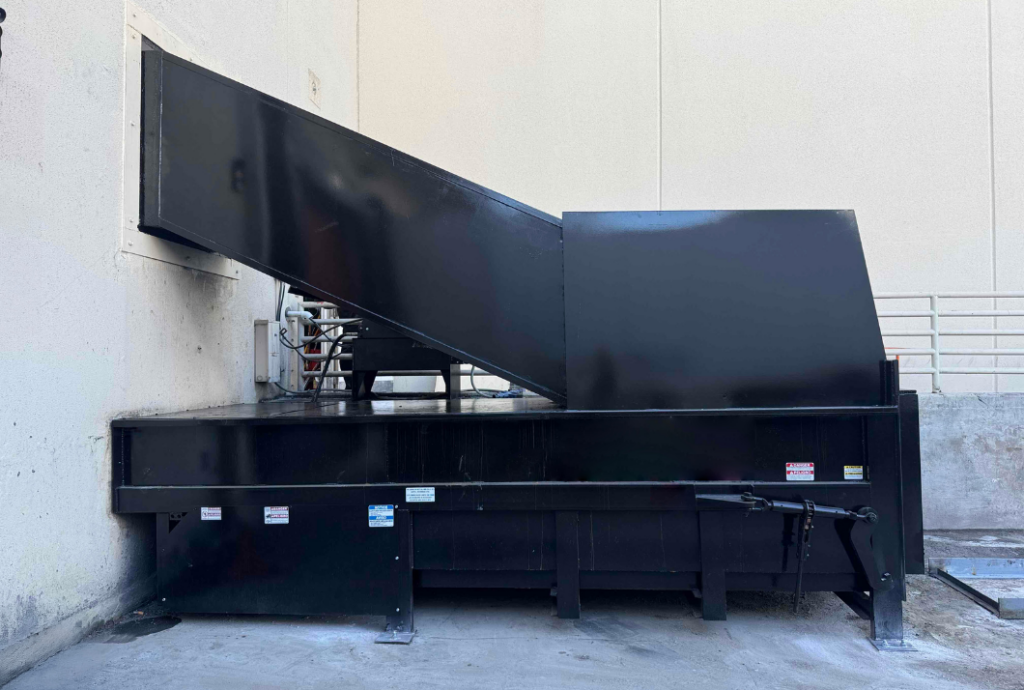
What a Coordinated Chute-to-Compactor Capability Provides
The value of working with Komar lies in the convenience of accessing expertise across the full system in one partnership.
Komar works with chute OEM partners to specify and integrate systems where the chute outlet, intake geometry, and compactor throughput are matched from the start. Whether Komar is supplying the compactor into a partner-supplied chute system or acting as the primary systems integrator across both, the goal is the same: a waste handling chain that functions as a unit from chute door to compacted container.
The operational difference is meaningful.
One Point of Coordination for System Issues
When the waste system has a problem, having a single point of contact who understands the full system makes a meaningful difference. Rather than coordinating between two vendors who each see only part of the picture, a property manager works with a team that can diagnose across the chute and compactor and direct the right service response.
What that looks like in practice will vary depending on the building, the market, and how the system was sourced. In some cases one service provider covers both. In others, Komar coordinates with its vendor network to find a solution. Either way, the property manager is not the one managing the handoff.
Equipment Designed to Work Together
When the apartment trash chute and compactor are specified as an integrated system, they are matched before installation rather than after. Chute outlet geometry, material flow rates, and compactor intake are calibrated together. This reduces the likelihood of blockages at the transition point and improves compaction consistency over time.
This kind of upfront coordination is possible regardless of whether one manufacturer produced every component. What matters is that someone with visibility across the full system is making those decisions at the design stage.
Maintenance That Covers the Whole System
Preventive maintenance through a coordinated provider means both the chute system and compactor can be on the same service schedule. Inspection, servicing, and documentation happen together rather than through two separate programs that may not align.
For buildings subject to health and safety inspections, consolidated maintenance records covering the complete waste handling system simplify compliance documentation. The specifics of what a maintenance program covers will depend on the provider and market, but the standard Komar works toward is full-system visibility in one scheduled visit.
| If you are managing apartment trash chute and compactor systems through separate vendors and dealing with recurring service headaches, Komar can help you evaluate an integrated approach. Contact us at today. |

Apartment Buildings and Resident Experience
Residents in multifamily buildings notice when the waste system doesn’t work. A chute door that will not close, a chute that is blocked, a garbage room that is dirty and smells, or a compactor that is overflowing all will likely generate complaints. Depending on the building’s policies and layout, residents may be asked to carry waste to an alternative collection point while the system is down. This is a minor inconvenience in ideal circumstances and a genuine frustration when it happens repeatedly.
The specifics vary by building, but the pattern is consistent: waste system downtime creates a visible, recurring resident experience problem that property managers have to manage alongside the service issue itself.
A well-maintained, coordinated system reduces how often that situation arises. Fewer breakdowns, faster resolution when issues do occur, and consistent preventive maintenance all contribute to a waste handling experience that residents simply do not have to think about.
Cost Comparison: Integrated vs. Fragmented Vendor Approach
The financial case for an integrated waste system involves both direct and indirect costs.
Direct costs include equipment, installation, service contracts, and emergency repair spend. An integrated provider can price the full system as a unit, often at a lower total cost than separate procurement for each component.
Indirect costs are harder to quantify but real: property manager time spent coordinating service calls, the risk premium from unresolved interface problems, and resident retention impact from recurring waste system failures.
When property managers go through a formal total cost analysis before and after switching to an integrated system, the before number is usually higher than expected because indirect costs were never captured.
| If you are managing apartment trash chute and compactor systems through separate vendors and dealing with recurring service headaches, Komar can help you evaluate an integrated approach. Contact us at today. |
Standardizing Waste Systems Across a Property Portfolio
For property management companies operating multiple buildings, the integration benefit scales. A standardized waste system across a portfolio means one vendor relationship, one service standard, and one set of equipment specifications.
Capital expenditure planning becomes simpler when all buildings run the same system. Maintenance staff training applies across the multi-site portfolio rather than varying by building sites. Service response times are consistent because one provider covers everything.
For large property portfolios, the operational and financial case for standardization goes well beyond any individual building’s waste system.
Frequently Asked Questions
A single vendor eliminates the coordination gap between chute and WME systems. Problems at the interface between the two systems are owned by one provider, service response is faster, and maintenance covers the complete system in one visit.
An integrated system is designed so the apartment trash chute and chute-fed compactor work as a single unit. The chute outlet feeds directly into a matched compactor intake. One provider installs, maintains, and services the complete system.
With an integrated provider, one service call dispatches a service team trained on both systems. With separate vendors, diagnosis takes longer because each vendor is limited to their own equipment and neither owns the interface.
Yes. Komar’s iSMART Technology™ IoT monitoring platform tracks system performance in real time, enabling proactive service and reducing the likelihood of unplanned failures across a building portfolio.
| Komar provides multifamily and commercial property managers with fully integrated apartment trash chute and compactor systems — designed, installed, and serviced as one. If you are ready to consolidate your waste system vendors, we can help you build the transition plan. Contact us at today to schedule a system assessment. |