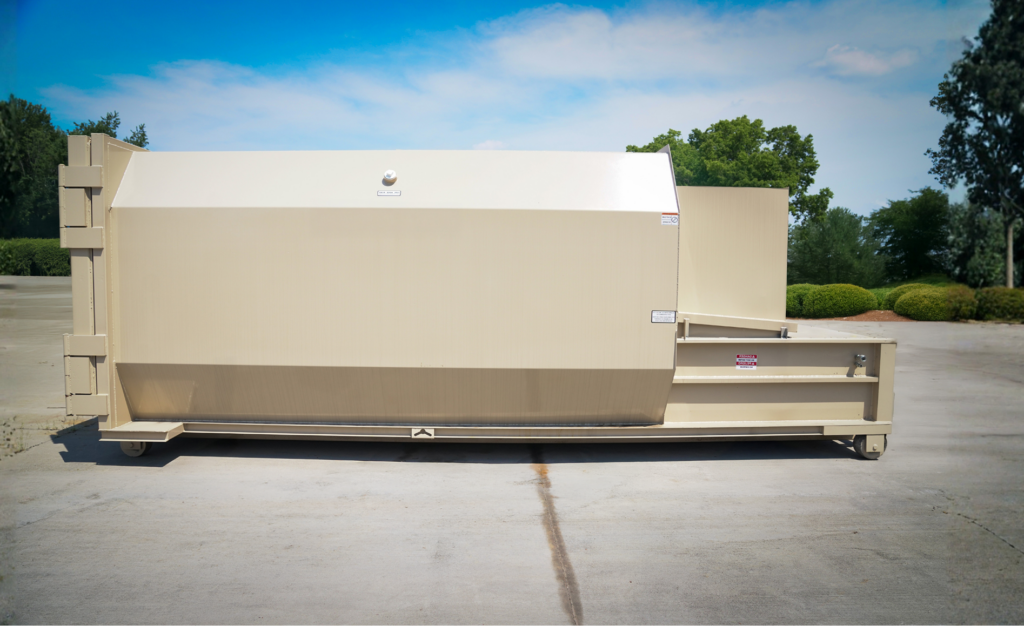
Most facilities still run waste on a calendar, not on reality. Your hauler shows up on a fixed schedule whether the compactor container is packed full or half empty, and you pay either way. That gap between what you are billed and what you generate is where money quietly leaks out of your operation every month.
Smart waste management closes that gap.
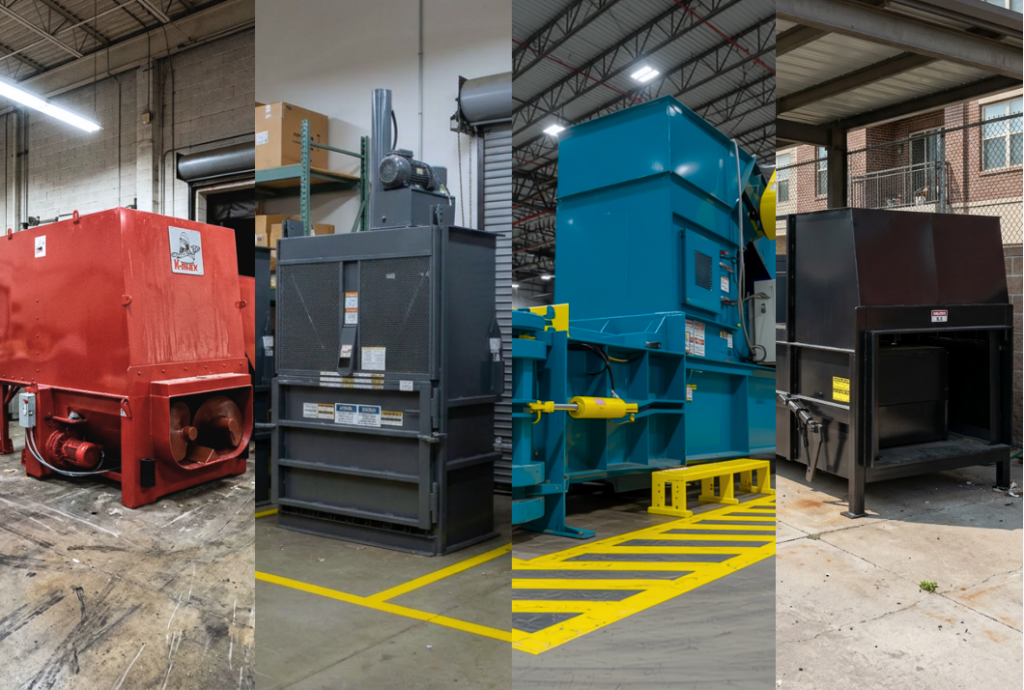
It puts sensors and connected monitoring on your compactors, balers, and containers so you see fill levels, cycle activity, and equipment health in real time. Instead of guessing when a container is full, you know when it’s full.
Table of Contents
- What Smart Waste Management Is
- The Data a Connected System Tracks
- How Utilization-Based Hauling Cuts Cost
- Supporting Sustainability and Diversion Goals
- What to Look For in a Connected System
- Frequently Asked Questions
Key Takeaways |
What Is Smart Waste Management?
Smart waste management is the practice of monitoring waste equipment with connected sensors and software instead of running it blind. The equipment reports its own status, and that status influences your decisions about pickups, service, and planning.
At Komar, this is the Intelligent Uptime pillar, delivered through the iSmart™ platform. The idea is simple. Equipment that tells you what it is doing is equipment you can run on data rather than on a guess.
This matters because waste is one of the last line items many operations still manage by habit. You inherited a pickup schedule, and it has never changed, even as your volume did. Connected monitoring replaces that habit with evidence.
The Data a Connected System Tracks
The value of Internet of Things (IoT) waste management comes from what the equipment reports and how that data is organized. A single fullness reading is useful. A central hub that collects readings from every asset is where the real decisions get made.
Entry-tier monitoring focuses on fullness alerts and basic equipment status, so you know when a container is ready for pickup. Upper tiers add multi-site asset management, predictive maintenance alerts, and lifecycle visibility across a portfolio. The two are different capabilities, and it is worth knowing which subscription tier you are buying.
Fullness and Asset Data Through a Central Hub
A connected system typically surfaces the metrics that drive cost and uptime in one place. Additionally, a connected system can shift end of life planning, age-based assumptions, and operational decisions to a more holistic, data-driven approach informed by actual utilization and equipment health. Seen together, they turn scattered equipment into a managed fleet.
- Fill Level: How full each compactor, baler, or container is right now, so pickups are triggered by need, not the calendar.
- Cycle Activity: How often equipment is running, which flags a container that is filling faster than its schedule assumes.
- Equipment Health: Hydraulic and mechanical status signals that hint at a developing problem before it becomes a breakdown.
- Site and Portfolio View: A rollup across every location, so a regional or national operator sees the whole fleet, not one machine at a time.
Not sure what your current equipment can report, or whether it can be monitored at all? Contact Komar to review your fleet and map which assets are ready for connected monitoring.
How Utilization-Based Hauling Cuts Cost
The clearest return on smart waste management comes from how you schedule pickups. Most facilities pay per haul, and fixed schedules potentially produce hauls of half-empty containers. Every one of those is money spent moving air.
Utilization-based hauling flips the model. You call for a pickup or the IoT system notifies you and/or the hauler when the container is actually full, which means fewer hauls, fewer pull charges, and fewer service hours spent on trips that were not needed. Over a year, across multiple sites, those avoided hauls add up quickly, especially if you are in an area where hauling charges are high.
The same data prevents the opposite problem. Overflowing containers trigger emergency pickups, contamination, safety concerns, and housekeeping headaches, and fill-level alerts catch that before it happens. You are scheduling on reality in both directions.
Turning the Data Into a Waste Audit
Utilization data is also the foundation of a credible waste audit. When you can show actual generation by site and by stream, you can renegotiate hauling contracts from a position of evidence rather than estimate. That is a conversation many operators have never been able to have.
Supporting Sustainability and Diversion Goals
Connected monitoring also feeds the reporting side of your operation. Fewer hauls mean fewer truck trips and lower associated emissions, and the data documents it. For teams tracking sustainability in manufacturing, that record matters as much as the savings.
The same visibility supports waste diversion. When you can see how much material is going to each stream, you can measure what is being recovered versus landfilled and set targets you can actually verify. Reporting that used to rely on hauler invoices now runs on your own equipment data.
What to Look For in a Smart Waste System
The technology is only half the decision. The other half is who stands behind it when a sensor, a compactor, or a service question needs an answer.
This is where a unified platform matters. Komar manufactures, installs, monitors, and services the full range of compactors, balers, augers, and chute systems, so the company reading your equipment data is the same one that can act on it. When a predictive alert fires, the response comes from a factory-direct service network, not a chain of vendors pointing at each other.
Ask three questions of any provider. Does the monitoring cover the equipment you already run, who responds when the data shows a problem, and can the system grow from single-site fullness alerts to portfolio-wide asset management as you scale.
Before you commit to a monitoring platform, talk to a Komar application specialist about how iSmart tiers match your operation, from fullness alerts at one site to multi-site asset management across a portfolio.
Frequently Asked Questions
What is smart waste management?
Smart waste management is the use of connected sensors and software to monitor waste equipment in real time. It reports fill levels, cycle activity, and equipment health so pickups and service run on actual data instead of a fixed schedule.
How does connected monitoring cut hauling costs?
It replaces calendar-based pickups with utilization-based hauling. You schedule a pickup when a container is genuinely full, which removes the half-empty hauls and unnecessary pull charges that inflate most waste bills.
What data does smart waste equipment track?
At the entry tier, it tracks fill level and basic equipment status. Upper tiers add cycle activity, predictive maintenance signals, and multi-site asset and lifecycle data rolled up through a central hub.
Does smart waste management support sustainability reporting?
Yes. Fewer hauls reduce truck trips and associated emissions, and the platform documents it, while stream-level data supports waste diversion tracking and verifiable reporting targets.
Run Waste on Data, Not the Calendar
Smart waste management is not about adding technology for its own sake. It is about ending the guesswork that keeps facilities paying to haul half-empty containers and reacting to breakdowns after they happen.
The gain comes from pairing the data with a partner who can act on it. When the same company builds, monitors, and services your equipment, connected monitoring becomes uptime and lower cost rather than another dashboard nobody watches.
Contact a Komar equipment specialist to assess your waste stream, review your current equipment, and map a connected monitoring approach that fits how your facilities actually run.