The ABCS: Advantages, benefits & challenges

Cost/ROI Advantages

  • Reduces hauling frequency and services costs over time.
  • Prevents overflow fines and emergency cleanups caused by ineffective dumpsters.
  • Improves waste containment and protects equipment from damage.
  • Helps maintain dumpster levels for better tenant satisfaction and retention.

Benefits

  • Keeps common areas cleaner and safer for residents and staff.
  • Enhances curb appeal by keeping waste out of sight.
  • Prevents unpleasant odors and spills from attracting pests.
  • Organizes and streamlines collection practices for easier scheduling and compliance.

Challenges

  • Older buildings and high-density properties may not have enough space for compaction equipment.
  • Occupancy rates, seasonal maintenance patterns, and tenant activity cause waste volumes to fluctuate.
  • Mixed waste streams can complicate recycling efforts.
  • Complex machinery can create stress for staff and tenants, and discourages responsible disposal.
  • Multi-building sites require coordinated collection logistics.

Recommended Product Lines

Compactors are more than just equipment. Choosing the right one helps streamline operations, reduce costs, and improve the experience for property staff and tenants alike.

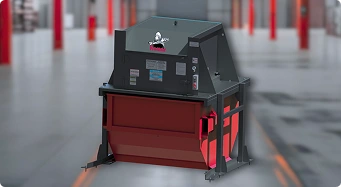
Vertical Compactors

Vertical Compactors

Efficient performance in a space-saving footprint makes these machines ideal for apartment buildings, small commercial sites, and mixed-use properties with moderate volumes of waste and limited usable space.


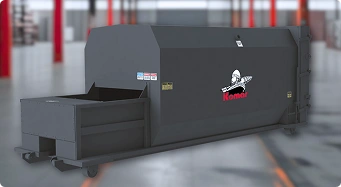
Self-Contained Compactors

Designed for condos, large rental communities, and commercial properties where high-volumes of mixed-stream materials are common and reliability isn’t optional.


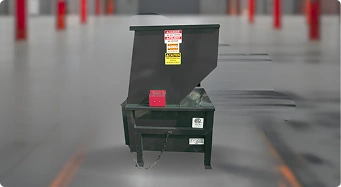
Stationary Compactors with Chute-Fed Options

Stationary Compactors with Chute-Fed Options

Ideal for high-rise residential and commercial properties with indoor trash rooms. These compactors integrate with building trash chutes allowing residents or tenants to dispose of waste easily while reducing labor and improving sanitation. Each unit connects to a secure container for efficient hauling and odor control.


Aftermarket Support

IoT Integration & Dashboards

IoT Integration & Dashboards

Real-time monitoring and data analytics optimize equipment performance and reduce downtime through proactive insights.

Preventive Maintenance Programs

Preventive Maintenance Programs

Scheduled maintenance protects your investment by addressing small issues before they become expensive failures.

Parts & Service

Parts & Service

With genuine replacement parts and factory-certified support, repairs happen faster, last longer, and keep unplanned disruptions to a minimum.

Leasing, Rental & Used Equipment

Pre-Owned Equipment

When buying new isn’t an option, certified refurbished systems deliver the performance you need at a price point that works.

Common Waste Types

*Certain materials, including electronics, organic or bulky waste, and specialty items, may require dedicated handling or have limited recycling or disposal options depending on your location. If you are unsure what can be processed or disposed of, contact us and we will guide you to the best solution.

Waste analysis for property management

Managing the volume and diversity of waste is anything but predictable or easy for condo associations and multi-family rental communities. 
From apartment communities to office complexes, the mix of materials and pace of activity create challenges that require purpose-built solutions.

property icon

From unit turnovers to ordinary tenant activity, unconventional and oversized waste are a reality in residential and commercial properties.

The convenience of online shopping means cardboard, plastic packaging, and shipping materials quickly pile up.

Conventional equipment

Conventional equipment needs space and flexibility that many properties don’t have, making purpose-built systems a necessity for tight footprints and diverse waste streams.

Managing waste at residential and commercial properties is a daily challenge. Without the right equipment, odors and overflows are a matter of when, not if, which quickly lead to problems for staff and tenants alike. Komar systems are designed to handle discarded materials at the source, reduce pickups, and keep collection areas clean and under control.

“We estimate that the Komar Auger has saved us 1300 hours of labor per year, has reduced our hauling cost by two-thirds, and has given La-Z-Boy a safer process and more floor space.”

Troy Kvingedal, Facilities Supervisor, La-Z-Boy

FAQs

Chute-fed stationary compactors work well in high-rise or multi-building properties with indoor trash rooms. Vertical compactors are designed to work in tight quarters, making them ideal for properties without dedicated indoor trash rooms or those with limited outdoor space.

Yes. Our chute-fed systems can be integrated directly with existing infrastructure in multi-story buildings—such as apartments, hotels, and commercial campuses—without major modifications.

Reducing material volume through compaction—up to 4:1 or greater—reduces labor and pickup frequency, and can significantly lower hauling costs.

Absolutely. Our compactors include options for safety interlocks, enclosed designs, emergency stop buttons, and lockout/tagout features to prevent accidental operation and protect people from injury. Tenants normally interact only with chute doors or designated drop points, not the equipment itself.

Most residential waste—including bagged trash, food scraps, cardboard, plastics, and paper—can be processed in our compactors. Wet wastes should be deposited into self-contained systems that effectively contain odors and prevent leaks. Hazardous materials, electronics, batteries, and large furniture require special disposal and should not be placed in compactors.

Many of our systems are weather-sealed and feature secure, lockable access, making them suitable for outdoor installations at commercial properties and multifamily communities. Additionally, certain vertical compactors are commonly used outdoors where space is limited.

Normal maintenance includes lubricating moving parts, cleaning the equipment and surrounding areas, checking hydraulic fluid, and inspecting hoses. Scheduled preventive maintenance with a Komar-certified expert technician is recommended to avoid unplanned downtime and extend equipment life.

Komar compactors feature automatic shutoffs and overload protection systems that immediately activate to prevent damage. Most issues can be quickly resolved with remote diagnostics or standard on-site service.

Absolutely. With centralized collection points, a single compactor can easily support several buildings. Komar systems can also be designed to work with distributed buildings using shared waste disposal points.