Recommended Product Lines

Paper is anything but a “one-size-fits-all” waste stream. Glossy magazine stock handles differently than shredded copy paper, and waterlogged material comes with its own challenges. When you start with the right equipment, the results will show up in your operations and balance sheets.

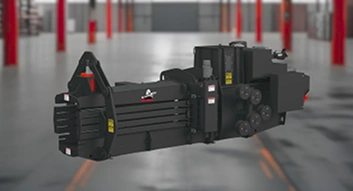
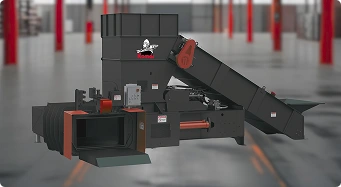
Horizontal Balers

High-volume paper operations need automation and consistency. Horizontal balers deliver both, creating uniform bales for better space management and more valuable recycling rebates.

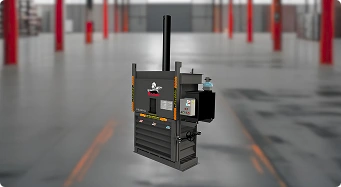
Vertical Balers

Vertical Balers

Many facilities lack room for a horizontal baling system but still generate enough paper waste to justify one. Vertical balers provide reliable compaction in tight spaces where horizontal balers won’t fit.

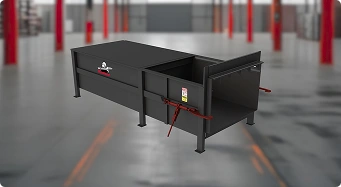
Pre-Crusher Stationary Compactors

Stationary Compactors

Dry, mixed paper can pile up and slow operations. Stationary compactors are ideal for sites like corporate campuses and warehouses that require efficient, low-maintenance disposal.

Self-Contained Compactors

Self-Contained Compactors

Paper waste isn’t always dry. Self-contained compactors seal in liquids and odors, making them ideal for environments where contamination is a concern—without compromising material quality.

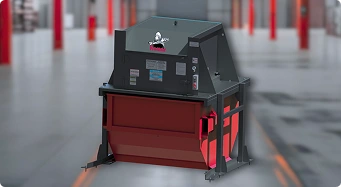
Vertical Compactors

Vertical Compactors

Tight spaces and distributed collection points can challenge conventional machines. Vertical compactors placed near the point of generation make frequent, low-volume disposal more manageable.

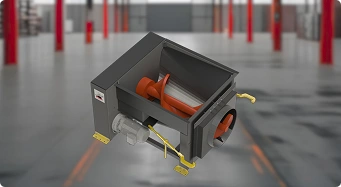
Auger Compactors

Wet paper and pulp waste require specialized handling. Auger compactors with dewatering capability continuously process and reduce moisture content, improving material quality for recycling and lowering disposal costs.

Common Waste Types

Shredded Office Paper

Shredded Office Paper

  • Sensitive document waste from administrative or legal operations
  • Requires secure handling for compliance and recycling
Newspapers, Flyers & Inserts

Newspapers, Flyers & Inserts

  • Generated in retail, publishing, and logistics environments
  • Includes promotional materials and printed inserts
Paper Bags

Paper Bags

  • Common in retail, grocery, and quick-service food sectors
  • Lightweight and recyclable
Mixed Office Paper

Mixed Office Paper

  • Includes printed documents, envelopes, sticky notes, and mailers
  • Found in corporate and educational settings
Magazines & Glossy Paper

Magazines & Glossy Paper

  • Found in marketing, retail, and print-heavy industries
  • Coated and glossy finishes require specialized baling
Corrugated Paper Liners

Corrugated Paper Liners

  • Lightweight materials used as packaging or protective layers
  • Distinct from OCC but still recyclable

Pulp & Wet Paper Waste

  • Moisture-heavy paper waste from recycling operations and paper mills
  • Requires dewatering to reduce weight and improve material quality
Paper Trim & Scrap

Paper Trim & Scrap

  • High-volume trim and scrap from printing and converting processes
  • Clean and consistent material ideal for recycling

Recycling vs Disposal

Recyclers

For operations that prioritize recycling, creating clean, sorted bales of paper—including mixed office paper, newspaper, and shredded material—is the ultimate goal. Consistent, contamination-free bales help maximize rebate value and reduce landfill impact.

The most effective equipment for recyclers includes:

  • Vertical balers – reliable performance and user-friendly operation that can fit for tight spaces.
  • Horizontal balers – designed to efficiently handle large volumes of paper waste without interruption.

Disposers

Disposers often lack the capacity or equipment for effective recycling, and their waste streams are mixed, damp, or contaminated. For these operations, reducing material volume and cutting handling costs is critical—compaction equipment provides the solution.

Disposers typically benefit most from:

  • Stationary compactors – condense dry paper waste, reduce pickup frequency, and simplify disposal.
  • Self-contained compactors – essential when containing leaks and odors from mild contamination.
  • Dewatering auger compactors – Specialized for pulp and wet paper waste, reducing moisture content and disposal weight.
  • Vertical Compactors – Compact mixed paper waste in tight spaces near generation points, reducing handling and pickup frequency for low-volume disposal streams.

Key Consideration: Paper that’s clean and easily sorted can be recycled to reduce landfill impact and generate rebates, while paper mixed with food or liquids is often better handled through compaction for disposal.

Komar equipment designed for the toughest paper waste challengEs

Paper waste comes in many forms and conditions, from clean office paper to moisture-heavy pulp. Managing it effectively requires the right solution for your space, volume, and operational needs. Our integrated platform offers everything from automated balers to compact systems and fully customized solutions—built to maximize efficiency and reduce costs.

Don’t see a solution for your paper waste needs?

Contact us today to schedule a free materials assessment. We’ll analyze your waste streams and help you choose the right equipment for your operations.

The operational upsides of efficient paper waste handling

Smoother Day-to-Day Operations

Fewer pickups, streamlined processes, and reduced manual handling frees up staff to focus on core tasks. Efficient systems lower labor costs and improve workflow.

Improved Risk Management

Loose paper increases fire hazards and slip-and-fall risks. Enclosed systems and automated handling enhance workplace safety and support regulatory compliance.

Greater Sustainability

Better paper waste handling ensures recyclable materials are recovered instead of discarded—helping meet sustainability goals and reduce landfill impact.

MACHINEs & MODELs

Horizontal Balers

2R265 Horizontal Baler

Automates the baling of large material volumes for continuous processing for maximum throughput in high-volume environments.

Vertical Balers

V60Oc Vertical Baler

Compresses material into compact, stackable bales while requiring minimal floor space, making it well-suited for low- to moderate-volume operations.

Pre-Crusher Stationary Compactors

C2 Stationary Compactor

Compresses loose material into a connected container, reducing hauling frequency and optimizing overall waste volume.

Self-Contained Compactors

SC35HD Self-Contained
Compactor

Features a sealed, leak-free container for heavy-duty compaction, keeping waste and odors contained and the workspace clean.

Vertical Compactors

VC6 Vertical Compactor

Top-loading design allows effective volume reduction in tight spaces and smaller facilities managing light volumes of dry waste.

AS-40G-HS 
Auger Compactor

Continuous, screw-driven compaction pre-crushes high volumes of material, making it a fit for industrial or distribution settings.

“We estimate that the Komar Auger has saved us 1,300 hours of labor per year, has reduced our hauling cost by two-thirds, and has given La-Z-Boy a safer process and more floor space.”

Troy Kvingedal, Facilities Supervisor, La-Z-Boy

FAQs

Most equipment can handle mixed office paper, newspaper, card stock, and glossy stock without issue. Adjusting pressure settings and feed operation may be necessary for higher volumes or maintaining bale integrity.

Komar equipment is engineered for paper’s unique challenges—high volume, low weight, and constant flow. Every unit is built for long service life, minimal maintenance, and reliable throughput to keep operations moving efficiently.

Not quite. Shredded paper is more prone to escaping during baling, so it typically requires tighter compaction or specialized feed systems to produce dense, uniform bales.

Yes. Major retrofits are rarely needed. Systems can be configured to work with automated handling lines and conveyors for continuous feed and reduced manual effort.

Yes. Clean, sorted paper bales that meet mill specifications typically earn strong rebate value—especially when free of contamination and sized consistently.

Yes. Auger systems can process paper efficiently, but they deliver the greatest ROI when handling wet paper or pulp waste. Their continuous-feed design and dewatering capability reduce moisture content, lower disposal weight, and improve material quality for recycling or landfill diversion.

Stationary compactors stay in place and work best for dry material. Self-contained units combine the compactor and container to contain leaks and odors—ideal for paper mixed with moisture or contaminants.

Vertical balers and compactors fit tight areas with low ceiling clearance. Horizontal units need more room for loading and bale ejection.

Yes. For paper mixed with liquids or pulp waste, Komar offers solutions like self-contained compactors and dewatering auger compactors. These options prevent leaks, reduce odors, and lower disposal weight for improved efficiency and reduced costs.

Komar systems are designed for minimal upkeep, but our semi-annual preventive maintenance program is strongly recommended to keep equipment operating reliably for years to come. Routine checks on hydraulic components, safety systems, and wear parts help ensure long-term performance and reduce unexpected downtime.

Absolutely. Komar engineers can tailor systems to fit your space, volume, and material requirements—from specialized systems to fully integrated handling lines.