Materials
Aluminum, copper, and other non-ferrous metals carry significant value when handled properly. Komar equipment helps you capture value by reducing volume, improving safety, and maximizing recovery for a more efficient and profitable operation.
Your non-ferrous waste stream requires more than generic equipment. Komar builds high-torque machines engineered for superior containment and maximum material recovery—because every pound matters.
Our equipment is engineered for the unique challenges of non-ferrous metal waste streams. From aluminum and copper scrap to mixed non-ferrous materials, these solutions reduce volume, remove residual fluids, and improve safety while lowering operating costs.
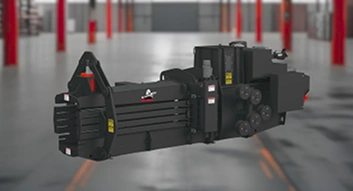
For high-volume operations, horizontal balers—including auto-tie, closed-door, and two-ram models—process aluminum cans, copper wire, and mixed non-ferrous scrap. Built for continuous duty cycles and maximum throughput.
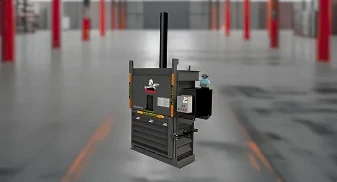
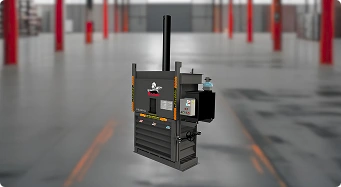
Perfect for aluminum cans, siding, and other light non-ferrous metals. Heavy-duty vertical balers deliver dense, market-ready bales for efficient transport and recycling.
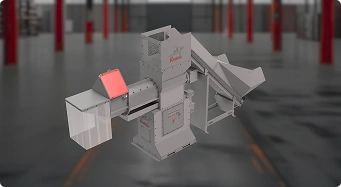
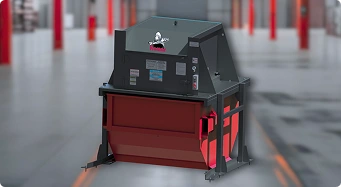
Engineered for high-value non-ferrous containers, EPC units flatten and dewater bottles, cans, and other materials to remove residual fluids and dramatically reduce volume. These systems improve material handling and help maximize recycling revenue.
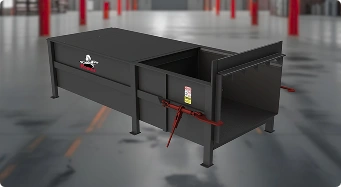
When non-ferrous scrap is mixed with other waste, stationary compactors provide a cost-effective disposal solution. These units reduce hauling frequency, improve safety, and keep your operation running efficiently.
Designed for wet or fluid-bearing waste streams that include non-ferrous metals, self-contained compactors prevent leaks, contain fluids, and protect your workspace while reducing disposal costs.
Compact and efficient, vertical compactors are ideal for facilities with limited space that need reliable disposal solutions for mixed waste streams containing non-ferrous metals.
If you generate clean, consistent non-ferrous scrap such as UBC, aluminum panels, or copper wire, recycling is worth the effort because these materials hold tangible market value. Balers compress scrap into dense, market-ready bales, while flattening and dewatering systems reduce container volume and remove residual liquids for more efficient handling and downstream processing.
Recycling makes sense if:
Not every operation can recycle profitably. If you’re dealing with oily chips, coated aluminum, mixed metals, or just low volumes, recycling economics don’t work for you. That’s okay. Your focus shifts to safe volume reduction, containment, and keeping costs down.
Consider disposing if:
Key Consideration: Clean, separated aluminum and copper hold real value. Mixed or oily waste typically doesn’t. A quick look at your waste stream can show if you’re accidentally throwing away money by treating recyclables like garbage.
Aluminum and copper have genuine market value when properly processed. Our balers create dense, market-ready bales for efficient recycling, while high-compaction systems and compactors reduce volume and keep mixed streams under control. Whether your goal is revenue recovery or safe disposal, we deliver solutions that turn challenges into measurable results.
No two operations are the same. Our team of experts will work with you to understand your application and recommend the best solution.
Turn aluminum and copper scrap into real value. Our balers create clean, dense bales for resale, and flatteners reduce container volume and remove liquids to improve processing so you capture maximum market return.
Contain sharp edges and abrasive scrap to reduce injury risk and meet OSHA standards. Our equipment is engineered to keep your team safe while improving workflow efficiency.
Reduce clutter and eliminate loose scrap that blocks aisles or creates hazards. Compact, organized loads free up space and keep your operation running smoothly.
Remove residual liquids from containers and oily chips during compaction. Dewatering ensures environmental compliance and cleaner recycling streams.
High-volume non-ferrous waste costs more when transported loose. Proper compaction and baling dramatically reduce haul frequency, cut transportation costs, and improve your bottom line.
Copy
Copy
Copy
Copy
Copy
Copy
“I never hesitate to recommend our vertical trash compactor because it does everything your brochure represents it to accomplish. I can’t imagine anyone in the restaurant business not utilizing this apparatus. It really has become one of my proudest restaurant possessions. It works so smoothly that I almost feel smug when I see all the gigantic trash containers for other restaurants.”
Robert Leonardi, Leonardi's Restaurant, Fort Lauderdale, Florida
“Our facility is a 110,000-square-foot operations center for Goodwill of Southwestern Pennsylvania. We get between 1.2 to 1.5 million pounds of material a day, and tonnage increases significantly during the summer. The Komar Auger has increased daily soft trash, wood pallets, and general trash efficiency by 30% and 40% with furniture. I love to give shock-and-awe tours to show off the Komar Auger, which compacts 8.5 to 9 tons into each payload.”
Bob Kagle, Director of Retail Logistics, Goodwill of Southwestern Pennsylvania
“Since installing our Komar Auger, we have improved our operations tremendously. The auger units have reduced labor from six people down to one person, who oversees the conveyor lines and compactors. We have gone from a 2-ton payload to a 10-ton-plus payload, per 40-yard container, reducing our annual pull charges by over 75%. We have less downtime and have eliminated jams due to the slow operation of the old compactors. Best of all, we had less than a one-year return on investment.”
John Hefty, Operations Manager, GameStop
“We estimate that the Komar Auger has saved us 1,300 hours of labor per year, has reduced our hauling cost by two-thirds, and has given La-Z-Boy a safer process and more floor space.”
Troy Kvingedal, Facilities Supervisor, La-Z-Boy
“Our disposal costs have dropped, which at least covers the cost of the compactors. Aside from the monetary aspect, the compactors allow the stores to be considerably cleaner. Cleanup at night is much easier because we have no trash cluttering up the back room of the store. All in all, we are very pleased with the compactors.”
Doug Gehrig, CEO, McDonald’s of Southwest Louisiana
Non-ferrous metals include aluminum, copper, and other alloys that don’t contain iron. Common examples are beverage cans (full or used), aluminum panels, copper wire, and machining chips.
Clean, separated aluminum and copper holds significant market value. Recycling turns waste into revenue, while disposal adds cost without return.
Vertical balers work well for lower volumes, while horizontal balers (auto-tie, closed-door, or two-ram) are ideal for high-volume UBC streams.
Yes. Our dewatering augers process containers and oily chips, removing residual fluids for compliance and cleaner recycling.
When segregation isn’t practical, stationary, self-contained, or vertical compactors provide safe, cost-effective disposal solutions.
Not always. Our team starts with proven solutions like balers, bottle/can flattening (EPC) units, and compactors. If your application requires something unique, we’ll guide you through options.
Balers produce dense, market-ready bales, and EPC units flatten containers for significant space savings. Compactors reduce mixed waste volume by up to 4:1 or more.
Our equipment contains the sharp, abrasive scrap, reducing injury risk and helping you maintain OSHA compliance.
If you generate consistent, clean aluminum or copper scrap in sufficient volume, recycling typically delivers strong ROI. Mixed or contaminated streams often favor disposal.
Yes. We provide flexible financing, leasing, and rental options to help you manage capital costs while upgrading your waste handling systems.
Absolutely. Our systems are designed to fit seamlessly into your current processes, and we can offer accessories like conveyors and loading solutions for a smooth integration.
Volume, material type, contamination level, and available space all play a role. Our experts help you evaluate these factors to ensure you select the most efficient solution.
We are a waste solutions company. With a wide array of application-specific models and advanced engineering capabilities, we look forward to guiding you to the best solution for the job.
Schedule a free waste stream evaluation to identify the right equipment and processes for your space, waste types, and volume.