Komar Strengthens Its North American Platform With the Acquisition of Metro Compactor Service

Learn More →

Recommended Product Lines

Komar’s equipment is engineered to overcome the unique challenges of foam materials. Our solutions process large volumes of foam into manageable quantities which reduces cost, improves storage, and opens doors to recycling markets.

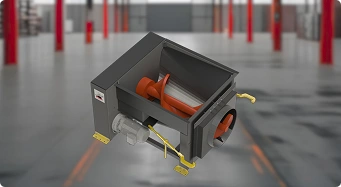
Auger Compactors

A robust solution for foam blocks and molded packaging. Komar auger systems apply high torque to shear and compact foam without the need for shredding or grinding.

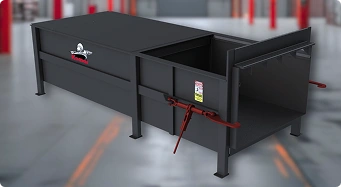
Stationary Compactors

Stationary Compactors

When foam is part of a broader waste stream, Komar stationary compactors help contain it efficiently with other dry materials.

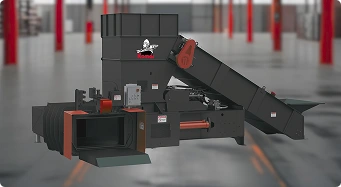
Horizontal Balers

Horizontal Balers

For high-volume operations or mixed material streams, horizontal balers compress foam materials into dense, uniform bales. Ideal for distribution centers and recycling facilities that require automation and continuous throughput.

COMMOn Waste Types

Loose EPS

(e.g.: Peanuts, Sheet Foam, Cutoffs)

  • Often generated in packaging or insulation operations 
  • Common in packaging and insulation operations

Molded Foam Packaging

  • Found in appliance, electronics, and furniture packaging 
  • Bulky but compressible with the right equipment

Insulation Foam 

(e.g.: Rigid Boards, Trim Waste)

  • Common in construction and renovation waste streams 
  • May include contaminants or coatings requiring special handling

XPS

(e.g.: Extruded Polystyrene)

  • Similar to EPS but denser, requiring higher compression force
  • Commonly used in insulation and construction applications

PU & EPE Foams

  • Flexible foams used in automotive, bedding, and specialty packaging 
  • Often recyclable when kept clean and separated from contaminants

Contaminated Foam Waste

  • Includes adhesives, tapes, or food residue 
  • Requires evaluation to determine recyclability and proper handling method

Note: Certain types of foam, e.g. EPS, XPS, or styrofoam are best when mixed with other waste streams. When processing alone, a densifier is recommended instead of a compaction solution. While Komar does not manufacture densifiers, we can source and integrate one as part of your complete system. Contact us to learn more.

Recycling vs Disposal

Recyclers

Recyclers of foam materials typically work with clean, uncontaminated foam streams—often from manufacturing, electronics, or appliance packaging. These operations require equipment to compress foam for transport to reprocessors.


Komar auger compactors and horizontal balers are ideal for this step, and if your process calls for a densifier, we can source one as part of your integrated system.

Key Consideration: Clean foam = recyclable. Understanding your material stream ensures the right system investment.

Disposers

Disposal streams often include foam contaminated with labels, adhesives, or food residue—making recycling impractical. In these cases, the priority is volume reduction for cost-effective and compliant disposal. Komar’s stationary compactors provide a reliable solution for compacting contaminated foam waste.

Key Consideration: Contaminated foam = compact and dispose. Knowing your material stream ensures the correct system investment.

Note: Certain types of foam, e.g. EPS, XPS, or styrofoam are best when mixed with other waste streams. When processing alone, a densifier is recommended instead of a compaction solution. While Komar does not manufacture densifiers, we can source and integrate one as part of your complete system. Contact us to learn more.

SOLVING THE FOAM PROBLEM

Foam materials may be lightweight, but its operational and environmental challenges are significant. At Komar Industries, we apply engineering discipline to solve the foam problem—efficiently, sustainably, and with long-term value in mind.

Whether you need an auger compactor, horizontal baler, or a complete integrated system, we’ll help you choose the right solution.

Contact Komar today to schedule a waste audit or explore the right EPS solution for your facility.

SOLVING THE FOAM PROBLEM

Don’t see your specific foam application here?

Not all foam waste is the same—and neither are the solutions. If your material type isn’t listed, contact us for a free evaluation. Our team will assess your waste stream and recommend the right equipment solution tailored to your operation.


If your application requires a densifier or other equipment instead of a compactor or baler, we can source and integrate one as part of your complete system solution.

From Waste Volume to Value: Why Foam Compaction Pays

Massive Volume Reduction

Achieve up to a 90:1 compaction ratio, depending on material and system type. Turn bulky foam materials into dense blocks or bales for easier handling and storage.

Lower Hauling Costs

Compacting foam minimizes empty space in containers, reducing pickups and cutting transport costs significantly.

Potential for Revenue Generation

Clean, compacted foam can be sold to recyclers and processors for re-manufacturing into picture frames, molding, and other products.

Improved Facility Flow

Loose foam is disruptive, prone to blowing around, and difficult to manage. Compaction improves housekeeping, safety, and operational efficiency.

Regulatory Compliance & ESG Impact

With more states and municipalities banning foam landfill disposal, having a compaction system or densifier in place ensures compliance and strengthens sustainability credentials.

MACHINEs & MODELs

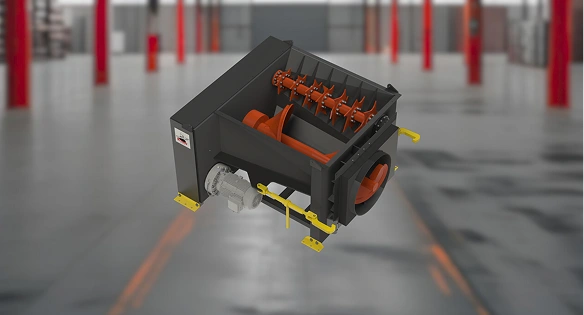
Auger Compactor -

Auger Compactor - AF-4020G

Ideal for industrial or distribution settings, this system uses a powerful screw mechanism to pre-crush and compact high volumes of foam materials continuously.

Stationary Compactors

Stationary Compactor - C3HD

Reduce hauling frequency and optimize waste volume with this fixed-position unit that compresses waste into a connected container.

Closed-Door Manual Tie Baler - HC175-603045-20

Ideal for distribution centers and manufacturing facilities handling foam materials and mixed recyclables. This closed-door manual tie baler delivers dense, uniform bales and reliable performance for operations with moderate volumes and occasional material changes.

FAQs

Because it’s 95–98% air. You’re essentially paying to transport volume, not weight. Compaction changes that equation.

Cold densifiers compress foam mechanically, while heat-assisted systems partially melt foam into dense ingots. Choice depends on end-market and processing needs.

Our auger systems apply consistent shearing force, making them effective at breaking down and compacting rigid foam without jamming.

Any facility generating more than a few pallets of foam per week—such as appliance distributors, electronics warehouses, furniture manufacturers, or others—can benefit significantly.

Yes. Compacted foam is recyclable and marketable, provided it’s clean and free from contaminants like food waste or adhesives.

Yes, one machine can handle mixed waste. However, optimal results come from dedicated systems. We often recommend separating foam and densifying it for maximum value recovery.

For high-volume generators, ROI is typically 12–18 months due to reduced hauling and potential recycling revenue.

Schedule a consultation with a Komar sales representative. We’ll help you determine the best solution by conducting site audits and waste stream evaluations to match you with the right equipment and configuration.

Yes. Our team engineers solutions that integrate seamlessly with your facility’s material-handling workflow.