The ABCS: BENEFITS & CHALLENGES

Cost/ROI Advantages

  • Converts loose material into dense, manageable loads for easier handling and transport.
  • Cuts labor costs through automated sorting, processing, and material handling.
  • Reduces downtime and maintenance expenses with efficient, continuous-feed systems.
  • Maximizes floor space without sacrificing throughput or productivity.

Benefits

  • Captures more material per cycle, improving overall recovery rates.
  • Returns more clean, usable feedstocks to supply chains, supporting circular economies.
  • Prevents bridging and jamming, reducing production delays and equipment wear.
  • Keeps materials contained and sealed for safer, cleaner work environments.

Challenges

  • Mixed or contaminated streams lower material quality and shrink profit margins.
  • Volatile scrap prices make budgeting and margin forecasting difficult.
  • Equipment failures in high-volume environments create costly production gaps.
  • Problematic materials like film, foam, and waterlogged loads slow operations and increase handling complexity.

Recommended Product Lines

From small facilities to large-scale plants, recyclers need durable, continuous-use equipment that efficiently handles varied materials, minimizes downtime, and maximizes throughput.

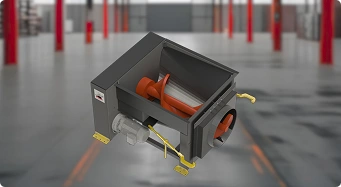
Auger Compactors

Engineered for maximum uptime with fewer moving parts. Handles a variety of materials including cardboard, wood, plastics, and foam efficiently for faster processing.


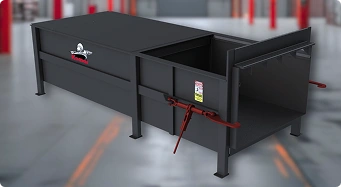
Stationary Compactors

Stationary Compactors

Compresses non-recyclable waste streams to reduce hauling frequency and lower disposal costs—ideal for mixed-material facilities.


Pre-Crusher Stationary Compactors

Engineered to break down bulky materials before compaction or baling, pre-crushers improve processing efficiency and reduce equipment strain. Ideal for recycling operations handling pallets, crates, and oversized items.


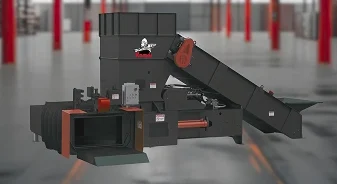
Horizontal Balers

Ideal for processing OCC, plastics, and metals in industrial environments. Engineered for reliable performance and available with
auto-tie options for continuous operation.

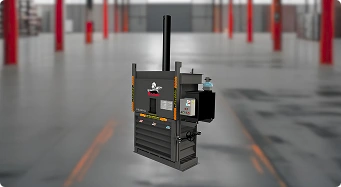
Vertical Balers

Vertical Balers

Perfect for smaller facilities, retail stores, and collection centers. Compact design delivers efficient baling without the footprint of industrial systems.

Organic Separation Presses

Dewatering Systems

Designed to remove excess liquid from wet waste streams, dewatering systems reduce weight and disposal costs while improving material handling efficiency. Ideal for food waste, pulp, and other high-moisture applications in recycling operations.

Keep Your Equipment Running: Aftermarket Support Solutions

IoT Integration & Dashboards

IoT Integration & Dashboards

Real-time IoT monitoring and analytics help you optimize performance and prevent costly downtime before it happens.

Preventive Maintenance Programs

Preventive Maintenance Programs

Scheduled maintenance programs extend equipment life, reduce unexpected failures, and lower repair costs.

Parts & Service

Parts & Service

Access genuine OEM parts and expert service to minimize repair time and restore productivity quickly.

Leasing, Rental & Used Equipment

Leasing, Rental & 
Used Equipment

Expand capacity or bridge short-term gaps with certified pre-owned equipment and flexible lease or rental solutions.

Common Waste Types

*Some materials may require specialized processing or have limited recycling options depending on your location. If you’re unsure about what’s accepted, reach out to us—we’ll help you find the right solution.

Waste stream analysis for the 
recycling sector

There’s more to recycling than diversion. Facilities need to recover usable materials and manage residuals efficiently to operate smarter, cleaner, and more profitably.

To Recover or To Remove

Recover

Recyclers are under pressure to turn mixed inputs into clean, marketable outputs. Komar equipment and systems help capture and compress the materials buyers want with consistent quality and throughput.

For disposal‑focused operations, volume reduction before landfill is the priority. Break down items that can’t be recovered and compact residuals to cut hauling frequency and lower disposal costs.

Collecting material is only part of the picture. Sorting with precision, reducing volume, and producing clean, consolidated outputs from recoverable streams—and minimizing what’s sent to landfill—are what drive value.

Komar designs reliable, scalable equipment that helps facilities of all sizes work faster, recover more from every pound of material, and reduce residual waste.

FAQs

For facilities processing large volumes of materials, such as cardboard, plastics, and metals, a horizontal auto-tie or two ram baler delivers the greatest value with better throughput, more consistent bales, and less manual intervention.

Our organic separation and dewatering systems are designed to minimize or entirely eliminate contaminants in packaging and food waste, leaving you with cleaner materials.

Augers are built for continuous compaction with fewer moving parts, making them perfect for challenging materials like wood and other bulky recyclables that need to be condensed prior to baling.

Vertical balers perform best with single-stream materials like cardboard or plastic film, and aren’t intended for mixed or contaminated loads.

Dewatering machines remove liquids from packaging and food waste, improving recyclability and reducing the weight of landfill-bound materials.

From conveyors feeding into balers or shredders upstream of your sort line, Komar systems are designed to work with the infrastructure you already have, without replacing large parts of your operations.

Most recycling operations see full ROI within 18 to 24 months, depending on material volume and labor savings.

Absolutely. Our horizontal balers and augers are ideal for breaking down foam for densification or efficient disposal.

We generally recommend keeping those streams separate to avoid cross-contamination. That said, we offer solutions for both and can customize them based on your facility layout and workflow.