The ABCS: Advantages, benefits & challenges

Cost/ROI Advantages

  • Reduces waste volume to cut landfill fees.
  • Creates compact bundles that minimize strain and fuel usage.
  • Ensures consistent operation with fewer service interruptions.
  • Lowers lifetime cost of ownership through durable equipment.

Benefits

  • Improves efficiency at transfer stations, drop-off centers, and city yards.
  • Supports municipal recycling programs for paper, cardboard, plastics, non-ferrous metals, and other recyclable materials.
  • Reduces overflow and unauthorized waste by compacting on-site.
  • Meets environmental and safety standards with confidence.

Challenges

  • Managing mixed waste streams from multiple departments and public spaces.
  • Maintaining equipment reliability in all weather conditions and usage rates.
  • Operating within fixed municipal budgets while meeting service demands.
  • Achieving sustainability goals without compromising essential services.

Recommended Product Lines

Komar equipment is engineered for durability, simplicity, and safe long-term operation in high-use environments:

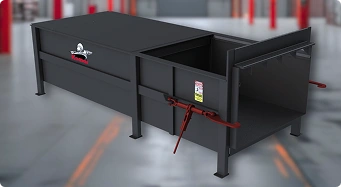
Stationary Compactors

Stationary Compactors

Engineered for high-volume dry waste streams at transfer stations, drop-off sites, and municipal facilities. These units deliver reliable compaction to reduce hauling costs and improve site efficiency.

Self-Contained Compactors

Designed for wet waste applications such as food service areas, parks, and public venues. These units prevent leaks and odors while maintaining sanitary conditions.

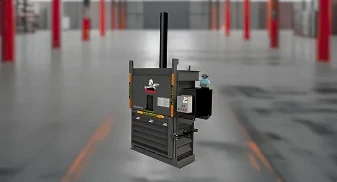
Vertical Balers

Ideal for municipal recycling programs handling cardboard, plastics, and aluminum cans. Perfect for schools, recreation centers, and city offices with moderate recycling volumes.

Horizontal Balers

Built for high-volume recycling operations such as material recovery facilities (MRFs) and public works departments. These machines streamline processing for cardboard, plastics, and other recyclables.

Flattening & Dewatering Systems

Purpose‑built for bottles, cans, and cartons in municipal deposit programs or MRF lines. EPC units compact and remove liquids to lower hauling weight, improve downstream sorting, and baling efficiency.

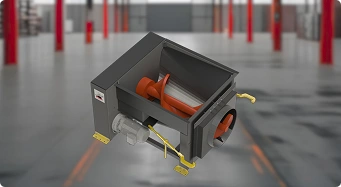
Auger Compactors

Built for municipal operations that handle mixed municipal solid waste (MSW), cardboard, wood, and bulky items. Komar augers shred and compact in one continuous motion, reducing hauls, manual breakdown, and site congestion. Electromechanical drives minimize hydraulic-oil usage and support clean, reliable operation at transfer stations and public‑works yards.

Pre-Crushers

Designed for bulky municipal waste such as furniture, pallets, and large appliances. Pre-crushers break down oversized items before compaction, reducing volume and preventing jams. Ideal for transfer stations and public works facilities handling irregular loads.

Aftermarket Support

IoT Integration & Dashboards

IoT Integration & Dashboards

Real-time monitoring and data analytics help optimize equipment performance and reduce downtime through proactive insights.

Preventive Maintenance Programs

Preventive Maintenance Programs

Scheduled maintenance keeps your equipment running smoothly, extending its lifespan and preventing costly breakdowns.

Parts & Service

Parts & Service

Reliable access to genuine parts and expert service ensures fast repairs and minimal operational disruptions.

Leasing, Rental & Used Equipment

Leasing, Rental & Used Equipment

Manage capital budgets with flexible leasing and rental options.

Common Waste Types

*Certain waste streams require specialized handling for safety and compliance and may have limited recycling capability. All processing must meet applicable environmental and regulatory standards.

Waste Analysis of the Public Sector

Public waste systems serve entire communities, often managing hundreds of waste types across multiple departments. Without specialized equipment, manual handling leads to overflow, safety risks, and citizen complaints. Komar’s solutions help municipalities overcome these challenges with reliable, efficient systems.

Bulky waste, such as furniture, appliances, and discarded household items creates significant challenges for collection and disposal. Without proper compaction and processing, these materials increase hauling costs and safety hazards. Auger compactors and pre-crushers reduce volume and prevent overflow.

Organic and event waste, from food scraps at city festivals or high quantities of bottles, cans, or food and beverage containers from city parks adds variability and odor concerns to municipal waste streams. Self-contained compactors and dewatering systems help control pests, reduce contamination, and improve overall cleanliness and sustainability.

Mixed municipal waste , managed through outdated methods often results in inefficiencies, higher costs, and public complaints. Stationary and auger compactors deliver consistent performance, reduce hauling frequency, and maintain compliance with environmental and safety standards.

From small rural towns to busy urban districts, Komar’s municipal-grade equipment helps you do more with less—less hauling, less waste volume, and less downtime. With rugged builds and proven reliability, you get what matters most: clean streets, efficient operations, and safer communities.

Recycling vs. Disposal: How Municipal Departments Manage Waste Streams

Recyclers

Recycling-Oriented Municipal Programs:

  • Support state or city sustainability mandates and diversion targets.
  • Use vertical or horizontal balers to process cardboard, plastics, and non-ferrous metals at scale.
  • Partner with MRFs or resale programs to maximize material recovery and revenue.

Disposers

Disposal-Oriented Departments:

  • Focus on managing mixed solid waste, bulky items, and event debris.

  • Deploy stationary, self-contained, pre-crushers, or auger compactors to reduce hauling frequency and prevent overflow.

  • Prioritize cost control and service speed to meet taxpayer expectations.

Komar provides solutions for both streams—helping municipalities separate, compact, and process materials efficiently across departments.

FAQs

Yes. Komar compactors and balers are widely used at municipal transfer stations, drop-off sites, and material recovery facilities to handle high-volume waste efficiently.

Bulky items are best processed with auger compactors or pre-crushers, which break down oversized materials and reduce hauling and landfill costs.

Yes. Komar provides comprehensive training and safety resources to ensure city crews operate equipment correctly and confidently.

Most municipalities achieve ROI in less than two years through reduced hauling frequency, lower labor costs, and more efficient site operations.

It depends on your goals. To maximize recycling rebates, keep materials separate. If you just need mixed waste disposal, our compactors can handle both. Balers are for recyclables only, and wet waste should go in a self-contained or auger compactor.

Self-contained compactors help manage event waste effectively by reducing odors, preventing overflow, and keeping public spaces clean during high-volume activities.

Komar systems can process green waste or yard debris, but we do not recommend these applications. Our equipment is engineered for municipal solid waste and recyclables, and using it for green waste may reduce efficiency and increase wear.

Komar offers preventive maintenance plans, hands-on training for city maintenance teams, and remote technical support to keep equipment running reliably.

Yes, in many cases. Municipalities often qualify for state recycling grants, infrastructure programs, or environmental funding initiatives. Komar can assist in identifying available opportunities.

Komar systems support municipal compliance with state and local recycling mandates, landfill diversion goals, and zero-waste initiatives.

Komar compactors and balers are engineered for durability, with most units delivering 15 years or more of reliable service when properly maintained. Preventive maintenance programs and rugged designs ensure long-term performance in demanding municipal environments.