Komar Strengthens Its North American Platform With the Acquisition of Metro Compactor Service

Learn More →

The ABCS: Advantages, benefits & Challenges

Cost/ROI Advantages

  • Reduces overall waste volume, lowering disposal and hauling costs.
  • Increases recycling rates and potential revenue from recyclable materials.
  • Optimizes limited space with small-footprint compacting and baling solutions.
  • Frees up staff time for customer service and other core responsibilities.

Benefits

  • Boosts operational efficiency by streamlining waste handling processes.
  • Supports corporate sustainability goals and strengthens brand reputation.
  • Improves compliance with environmental regulations and standards.
  • Creates a cleaner, safer, and more organized workplace environment.

Challenges

  • Managing diverse waste streams, including cardboard, plastics, and food.
  • Limited space for bulky waste equipment in retail environments.
  • Ensuring proper employee training and adherence to waste procedures.
  • Balancing upfront investment in equipment with long-term cost savings.

Recommended Product Lines

Choosing the right waste equipment is essential for optimizing space, efficiency, and cost in your retail operation.

Vertical Balers

Vertical Balers

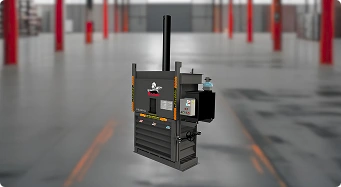
Ideal for stores with moderate cardboard volumes and limited floor space, producing dense bales that are easy to handle and recycle.

Stationary Compactors

Stationary Compactors

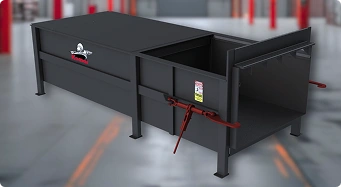
Work well for mixed dry waste streams, reducing overall volume and hauling frequency in locations with space for larger equipment.

Vertical Compactors

Vertical Compactors

A space-saving solution that effectively compacts moderate streams, especially in sites with low overhead clearance and limited space.

Horizontal Balers​

Horizontal Balers

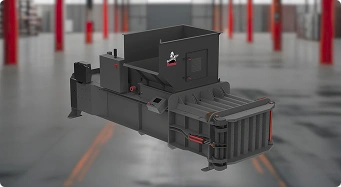
Perfect for high-volume recyclables in larger retail stores or distribution centers. These systems create dense bales that increase recycling revenue and reduce pickup frequency.

Horizontal Balers

Auger Compactors

Built for bulky materials like wood pallets, crates, and mixed packaging with continuous, high-power compaction and minimal maintenance requirements. 

Pre-Crushers

Pre-Crusher Stationary Compactors

Ideal for dense or rigid materials that need to be crushed before compaction. Perfect for facilities where maximizing payload and reducing costs are top priorities.

Self-Contained Compactors

Self-Contained Compactors

Ideal for food waste and other wet materials. The sealed design prevents leaks and controls odors, making these systems a great choice for food courts and grocery stores.

Aftermarket Support

IoT Integration & Dashboards

IoT Integration & Dashboards

Real-time monitoring and data analytics help optimize equipment performance and reduce downtime through proactive insights.

Preventive Maintenance Programs

Preventive Maintenance Programs

Scheduled maintenance keeps your equipment running smoothly, extending its life span and preventing costly breakdowns.

Parts & Service

Parts & Service

Reliable access to genuine parts and expert service ensures fast repairs and minimal operational disruptions.

Leasing, Rental & Used Equipment

Leasing, Rental & Used Equipment

Flexible leasing, rental, and certified used equipment options provide cost-effective solutions for short-term needs or budget-conscious operations.

Waste Analysis of
the Retail Sector

Retail businesses deal with a wide stream of waste reflecting the diversity of products they offer. Understanding these materials is essential for efficient management and compliance.

Packaging waste—cardboard, plastic films, pallets, and foam—is a given, along with paper waste from receipts and promotional materials. Plastic wastes, such as shopping bags, bottles, and product components, go beyond packaging and often require baling or compaction to reduce volume and maximize recycling value.

Polystyrene Foam & Packing Materials icon

In food-related retail, organic waste such as unsold produce and food scraps is a natural byproduct of operations. Additionally, glass and metal waste from bottles, cans, and packaging are often found in these streams, requiring thoughtful management and safe disposal.

Textiles, often overlooked, contribute through damaged or discarded clothing and fabric scraps. Retailers also contend with general waste and electronics, which demand specialized handling for regulatory compliance and environmental protection.

By embracing mindful waste management practices—recycling, donation programs, and volume-reducing equipment—retailers can honor environmental stewardship while enhancing operational efficiency and reducing costs. Thoughtful attention to waste is not just responsible; it’s smart business. Komar can help you optimize your waste stream at any volume, location, or scale.

FAQs

Retail waste streams typically include cardboard, plastic film, paper, organic waste, glass, metals, textiles, electronic waste, and general mixed waste.

Using compactors and balers to reduce waste volume and minimize hauling, implementing recycling programs, and donating unsold goods can all help reduce your disposal costs.

Vertical balers are well-suited for low to moderate volumes of cardboard, while horizontal balers, pre-crushers, and auger compactors work better for high-volume environments.

Compactors work well for dry waste streams like cardboard and plastics, but are not recommended for wet or hazardous materials.

Organic waste should be separated and managed through composting programs or with sealed, self-contained compactors that prevent leaks and contain odors. Specialized, high-volume operations may require advanced organic separation systems, which we offer for large-scale facilities with higher processing needs.

Hazardous waste, including batteries and electronics, requires special handling and disposal through certified recycling or disposal programs that comply with environmental regulations.

Compactors and balers designed for waste and recyclables help reduce clutter and trip hazards, creating a safer and more organized environment for employees.

Every machine has unique recommended maintenance schedules and requirements. Routine maintenance involves cleaning, inspecting components for wear or failure, and lubricating moving parts. Scheduled professional service should be done at least semi-annually.

Proper disposal reduces landfill waste, increases recycling rates, lowers greenhouse gas emissions, and supports sustainable business practices.

A free waste materials evaluation can help assess your needs and recommend the most suitable equipment and processes.