Komar Strengthens Its North American Platform With the Acquisition of Metro Compactor Service

Learn More →

The ABCS: Advantages, Benefits & Challenges

Cost/ROI Advantages

  • Reduces hauling and disposal costs through high-efficiency compaction and baling.
  • Frees up staff to focus on the guest experience instead of waste handling.
  • Increases recycling revenue through better material recovery.
  • Maximizes space utilization and improves workflow efficiency.

Benefits

  • Maintains cleanliness and controls odors in guest-facing areas.
  • Streamlines back-of-house operations for greater productivity.
  • Supports ESG and sustainability goals across your brand.
  • Lowers injury risk with ergonomic, safe waste-handling systems.

Challenges

  • Managing large volumes of organic waste from kitchens and buffets.
  • Working within tight spaces for waste equipment in kitchens and utility areas.
  • Preventing odors and pests, especially in warm environments with food waste.
  • Training new staff on proper and safe equipment use.

Recommended Product Lines

Choose the right Komar solution for a seamless guest experience while meeting hygiene, sustainability, and performance standards. Our product lines include scalable options for both small spaces and large, high-volume operations.

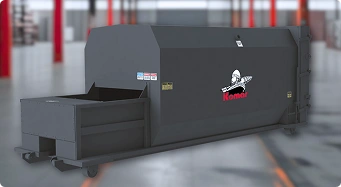
Self-Contained Compactors

Designed for wet odorous waste from general mixed waste, kitchens, and/or food prep areas.
 
 
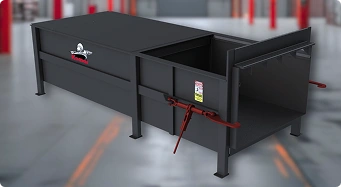
Stationary Compactors

Stationary Compactors

Best for dry waste and packaging at larger hotels, resorts, and venues with outdoor space. High-capacity design reduces hauling frequency and improves operational efficiency.

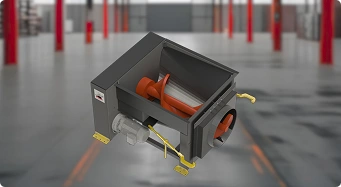
Auger Compactors

Continuous-feed auger design efficiently processes dry waste and bulky packaging materials. Ideal for hospitality operations with high volumes of cardboard, crates, and other dense materials.

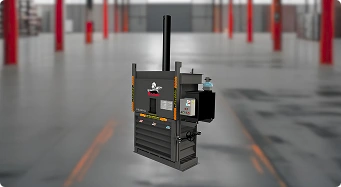
Vertical Balers

Vertical Balers

Space-saving solutions for cardboard, paper, and other recyclables. Near loading docks or supply areas. Helps reduce clutter and supports sustainability goals.

Aftermarket Support

IoT Integration & Dashboards

IoT Integration & Dashboards

Real-time monitoring and data analytics help optimize equipment performance and reduce downtime through proactive insights.

Preventive Maintenance Programs

Preventive Maintenance Programs

Scheduled maintenance keeps your equipment running smoothly, extending its life span and preventing costly breakdowns.

Parts & Service

Parts & Service

Reliable access to genuine parts and expert service ensures fast repairs and minimal operational disruptions.

Leasing, Rental & Used Equipment

Leasing, Rental & Used Equipment

Flexible leasing, rental, and certified used equipment options provide cost-effective solutions for short-term needs or budget-conscious operations.

Common Waste Types

*Certain materials, including electronics and specialty items, may require dedicated handling or have limited recycling or disposal options depending on your location. If you are unsure what can be processed or disposed of, contact us and we will guide you to the best solution.

Waste Analysis of the Hospitality Sector

Hotels and resorts generate millions of tons of waste annually, with food waste from kitchens and banquets leading by volume.

truck icon

The constant flow of deliveries brings cardboard, plastic wrap, glass, aluminum—and even wood pallets—into your waste stream every day across all operations.

Conventional equipment

Limited equipment footprints, strict odor control requirements, and location-specific regulations make hospitality waste management uniquely challenging, but solvable with proper systems.

Hotels, resorts, and event venues face unique waste challenges—from the inevitable pile-up of food waste in busy kitchens to the steady stream of packaging that arrives with every delivery. Space is tight, and compliance requirements vary, which is why cookie-cutter solutions don’t work. A Komar waste stream assessment takes a close look at your operation and recommends the right equipment solutions that work for your business.

FAQs

Use self-contained compactors to minimize odor, prevent leaks, and reduce haul frequency—lowering disposal costs while improving hygiene.

Self-contained compactors are ideal for wet waste. Their sealed design prevents leaks, controls odors, and keeps pests out.

Yes. We offer flexible configurations for kitchens, dining areas, loading docks, and guest service zones to manage waste efficiently across your entire operation.

Vertical balers are perfect for moderate volumes and tight spaces. For high-volume operations or distribution centers, horizontal balers or auger compactors provide greater efficiency.

Compaction reduces overflow, contains odors, and prevents pests—helping maintain hygiene in kitchens, storage areas, and guest-facing spaces.

Absolutely. Our systems reduce landfill waste, support recycling, and improve diversion tracking to help meet sustainability targets.

We offer vertical balers and modular compactors, like Komar Chicago Trashpackers designed for tight back-of-house spaces without sacrificing performance.

Safety is a key priority. All equipment includes emergency stops, safety interlocks, and ergonomic designs to reduce risk. Comprehensive training is provided for every installation.

Yes. Textiles can be baled or compacted depending on your disposal or recycling process.

Preventive maintenance is recommended every three to six months, depending on usage and waste volume.

Yes. Komar auger compactors can process bulky wood waste and pallets efficiently.